Introduction
A good Bhaktapur itinerary respects one rule above all others: the city belongs to tour groups from 10 AM to 4 PM, and to you the rest of the time. Every plan below is built around that rhythm — see the icons early or late, use the crowded middle hours for food, pottery, museums, or the pool, and if you possibly can, stay the night: the two-day version of this city is exponentially better than the one-day version, and it costs you nothing extra in entry fees thanks to the free multi-day ticket extension.
Before You Start: The Two Practical Keys
Key one: the city entry ticket (NPR 1,800 foreign / NPR 500 SAARC & Chinese) covers the entire old town, and overnight visitors can extend it into a multi-day pass free at the main gate with a passport — details in our entry fee guide. Do this first. Key two: wear comfortable shoes; Bhaktapur is a walking city of brick and stone, and the itineraries below cover 5–8 km per day at strolling pace.
The Perfect One-Day Bhaktapur Itinerary
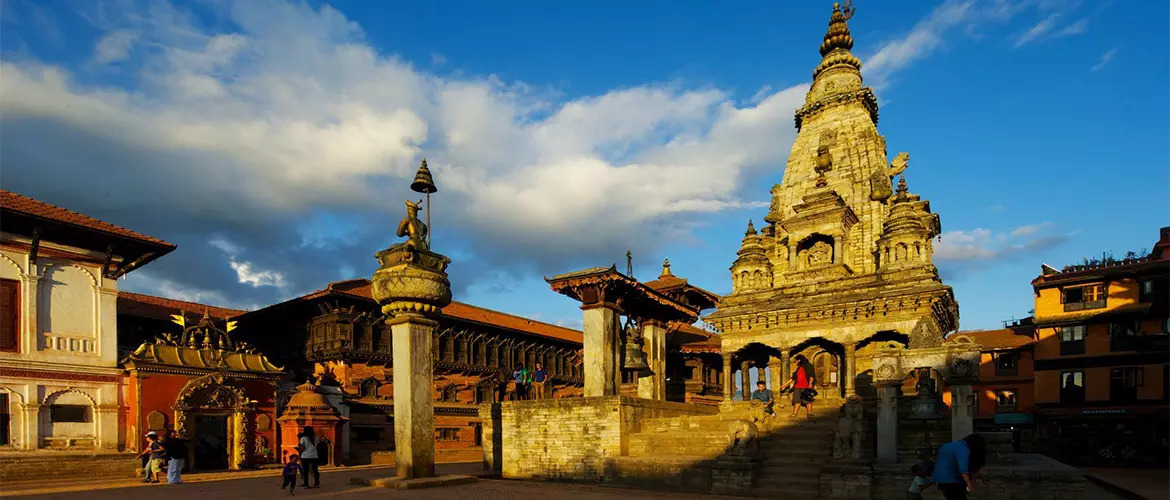
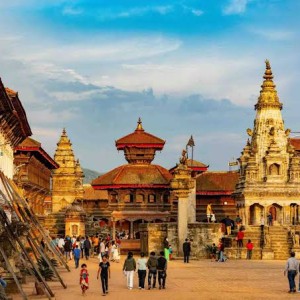
- 7:30 AM — Enter at the western gate. Buy your ticket as counters open and walk into a Durbar Square still being swept, still quiet. This is the best hour of the day: the 55-Window Palace and Golden Gate in soft light, King Bhupatindra Malla's statue greeting almost nobody.
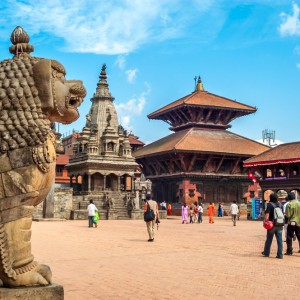
- 8:30 AM — Breakfast with a view. Take a rooftop seat at a café on Taumadhi Square, facing the five tiers of Nyatapola — Nepal's tallest pagoda — over tea and Tibetan bread or an omelet.
- 9:30 AM — Nyatapola up close. Climb the guardian staircase (wrestlers, elephants, lions, griffins, goddesses) before the buses arrive. Visit neighboring Bhairabnath Temple.
- 10:30 AM — Walk east to Dattatreya Square. As crowds fill Durbar Square behind you, drift through the lanes to the city's oldest quarter: the Dattatreya Temple, the maths, and — in the alley behind the Pujari Math — the Peacock Window, the finest wood carving in Nepal.
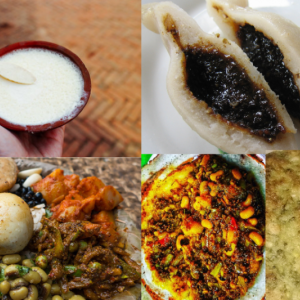
- 12:00 PM — Juju dhau stop. The "king of yogurts" from a clay pot, at one of the famous shops around Dattatreya. Non-negotiable.
- 12:30 PM — Newari lunch. Samay baji or chatamari in a family kitchen off the tourist lanes; details in our Newari food guide.
- 2:00 PM — Pottery Square + back lanes. Watch the wheels spin, try throwing a pot, then get deliberately lost in the lanes south and east — courtyards, shrines, weavers, daily life.
- 4:00 PM — Museum hour (optional). The National Art Museum in the 55-Window Palace, as tour groups begin to drain away.
- 5:30 PM — Golden hour on Nyatapola's plinth. The classic Bhaktapur sunset: brick city turning gold, mountains sometimes appearing to the north. Day-trippers are gone; the squares exhale.
- 7:00 PM — Rooftop dinner, lamp-lit walk home. If you're day-tripping, taxis wait outside the gates. If you're staying — and you should — the evening city is your reward.
The Perfect Two-Day Bhaktapur Itinerary
- Day 1: exactly as above, but slower — linger in the museum, add the Siddha Pokhari pond near the western gate at dusk, and end with dinner unhurried, because tomorrow starts early.
- Day 2:
- 4:45 AM — Depart for Nagarkot. Your hotel arranges the taxi the night before (staying on the Kamalbinayak/Nagarkot-road side of the city, this is a 45-minute ride, not a 90-minute one). Full logistics in our Nagarkot sunrise guide.
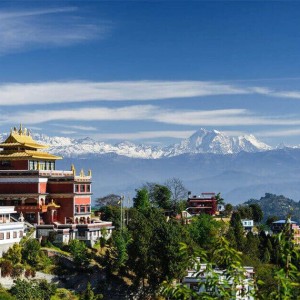
- 6:00–7:00 AM — Sunrise over the Himalaya. Langtang, Jugal, and on clear winter mornings, Everest on the horizon. Hot coffee at a ridge café.'
- 8:00 AM — Descend via Changu Narayan. Stop at Nepal's oldest temple (inscriptions from 464 AD) while the light is soft and the courtyard is empty — or, for hikers, walk the 4–5 hour trail down from Nagarkot instead.
- 10:30 AM — Late breakfast + pool. Back at your hotel: eat, swim, nap. You've earned the tour-bus hours off.
- 3:00 PM — Second pass at the old town. Return with your extended pass to whatever deserved more time — Pottery Square in working rhythm, shopping for woodcraft and pashmina, or simply a second juju dhau.
- 5:30 PM — Final golden hour. One more sunset from Taumadhi. Compare it with your first; it wins.
Where to Base Yourself for These Itineraries
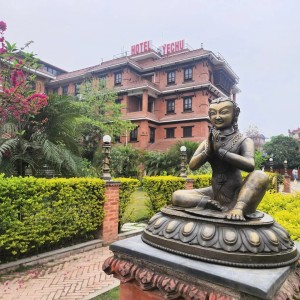
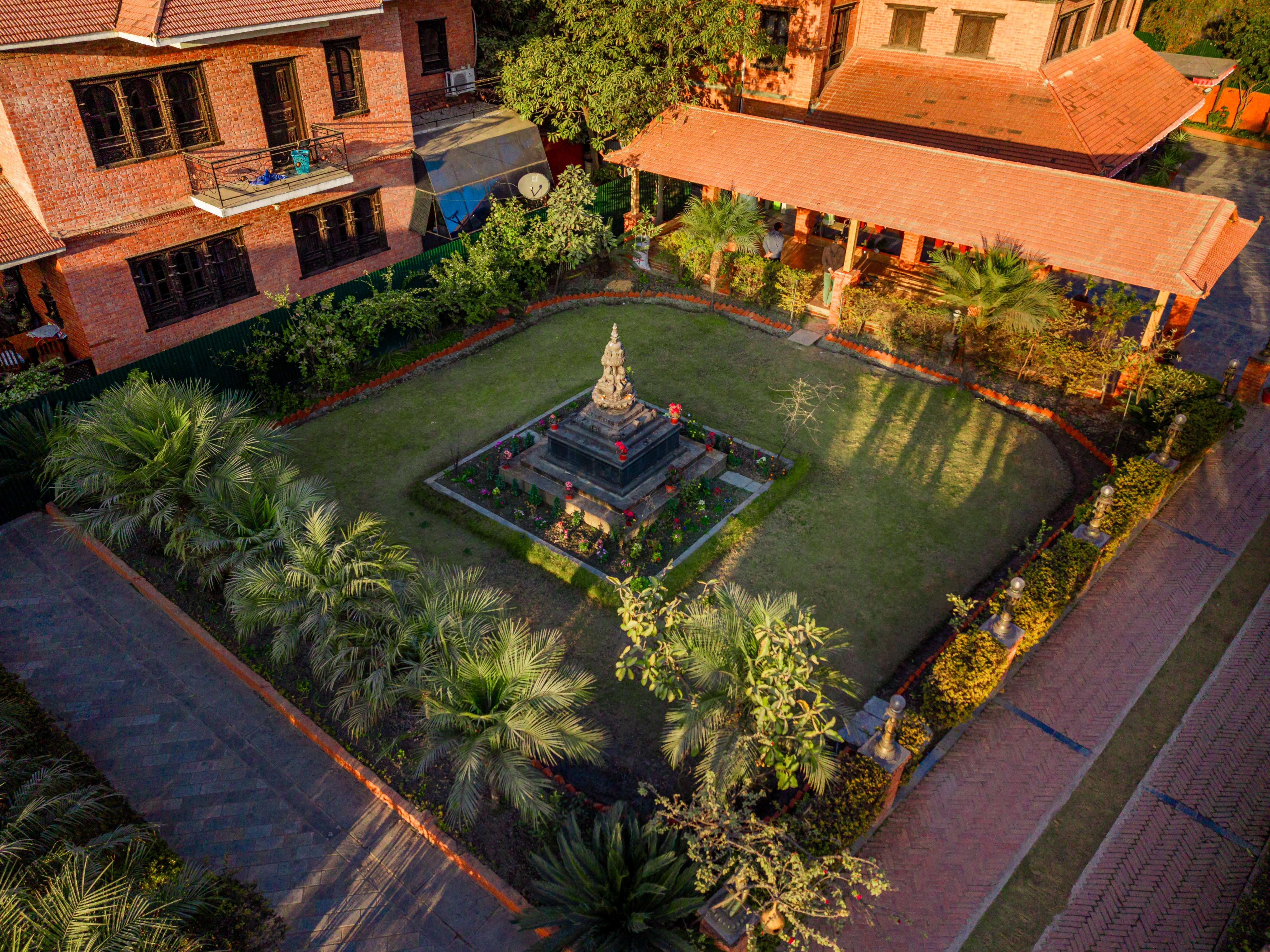
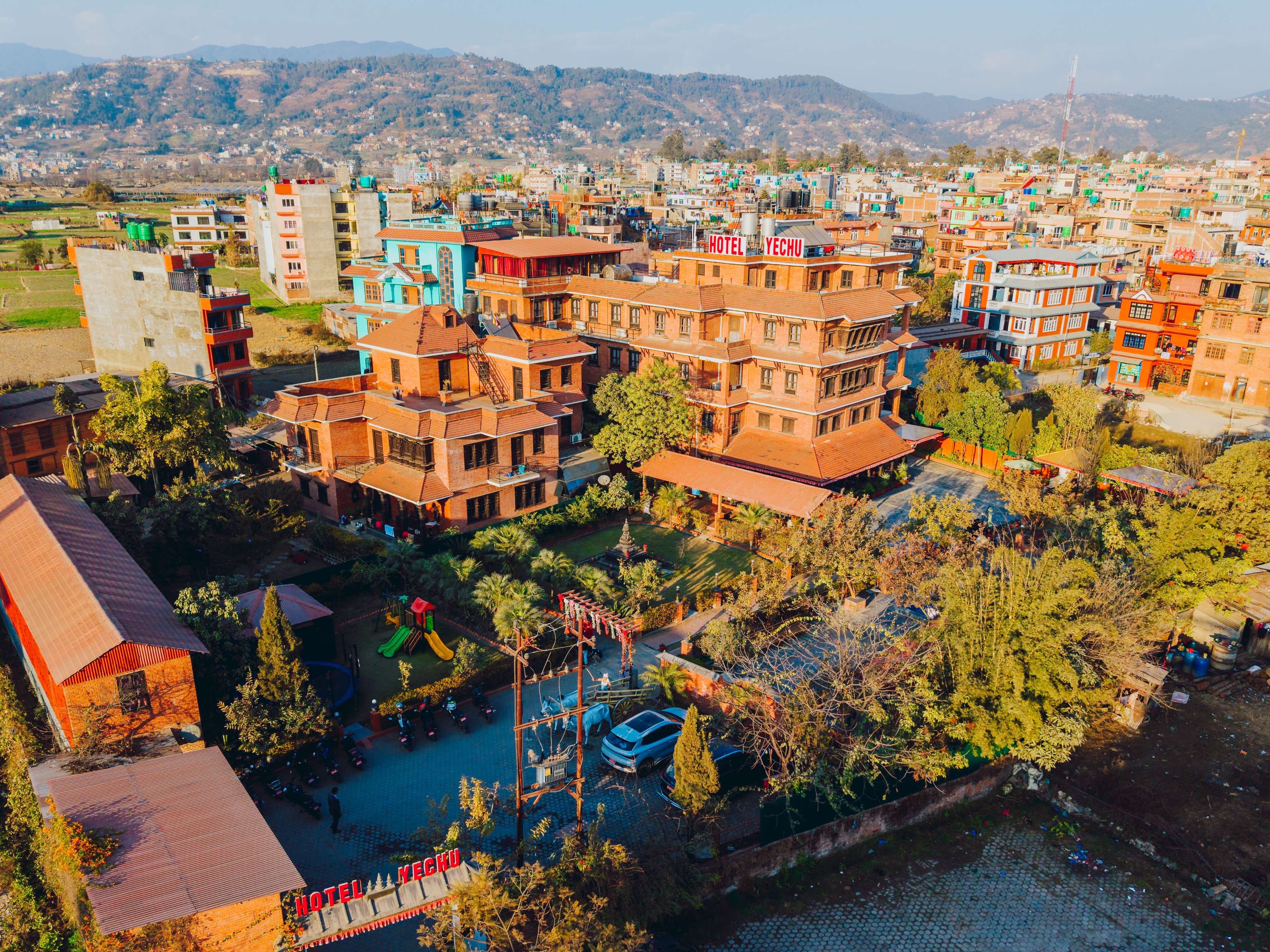
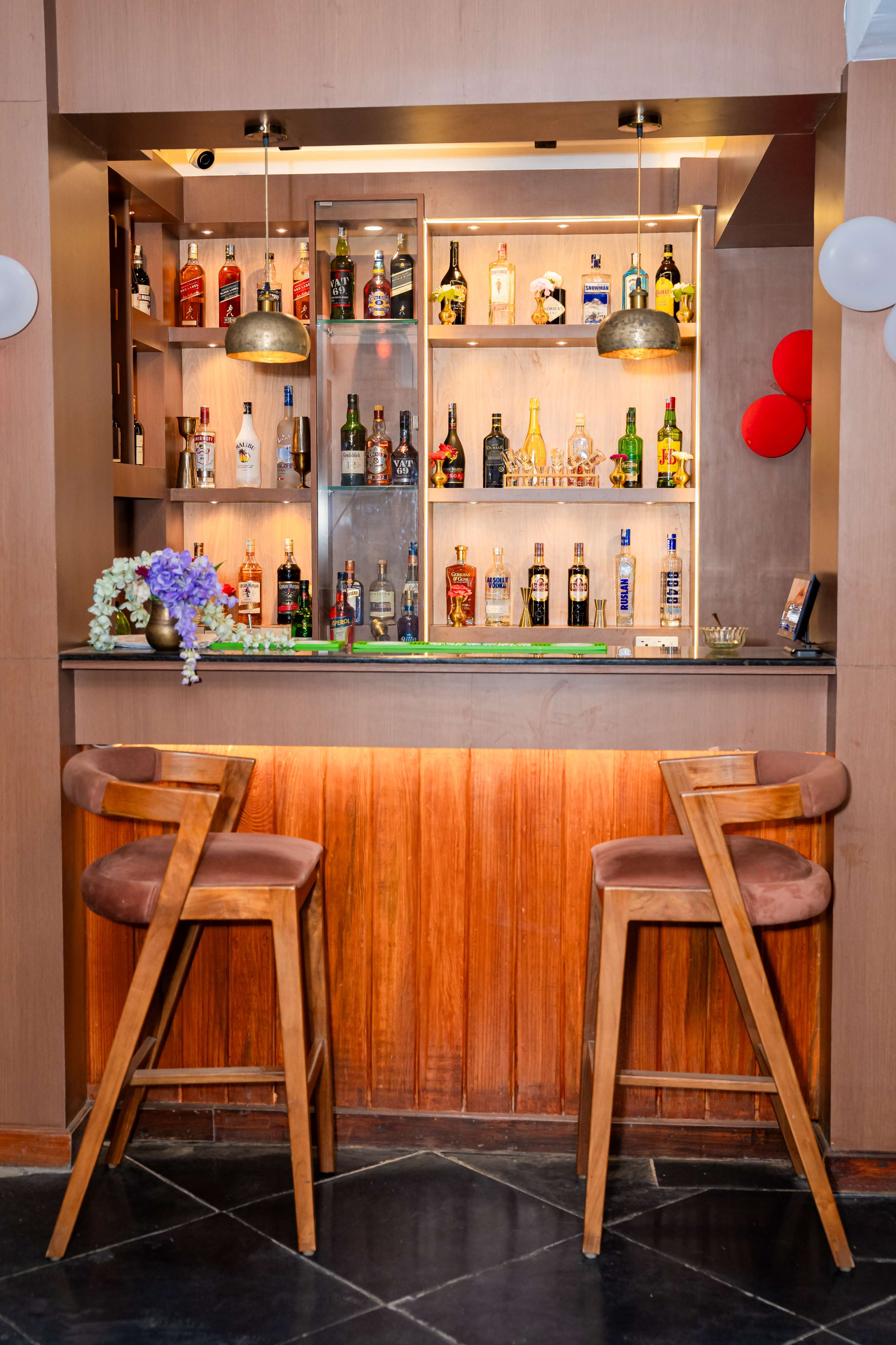
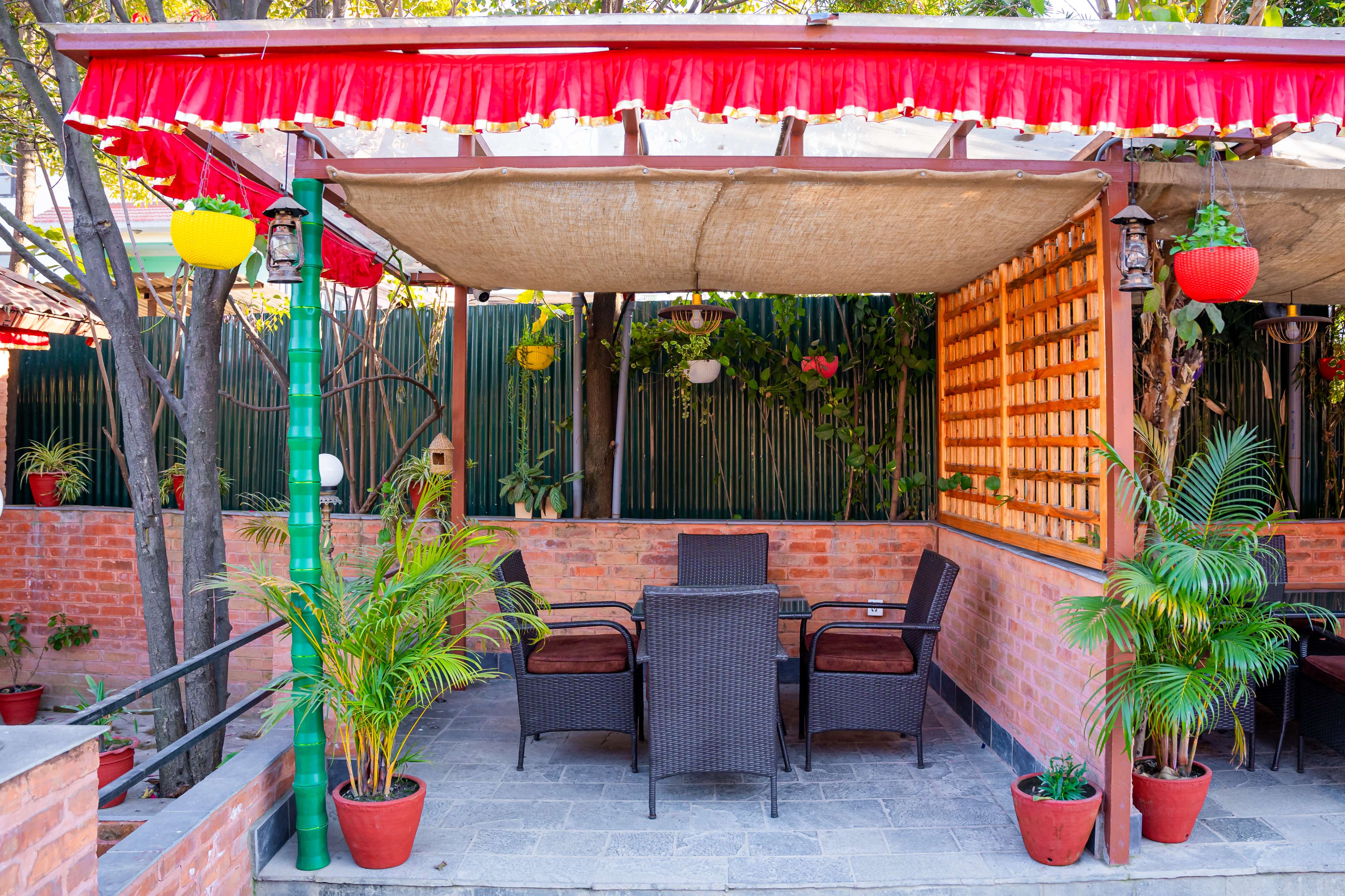
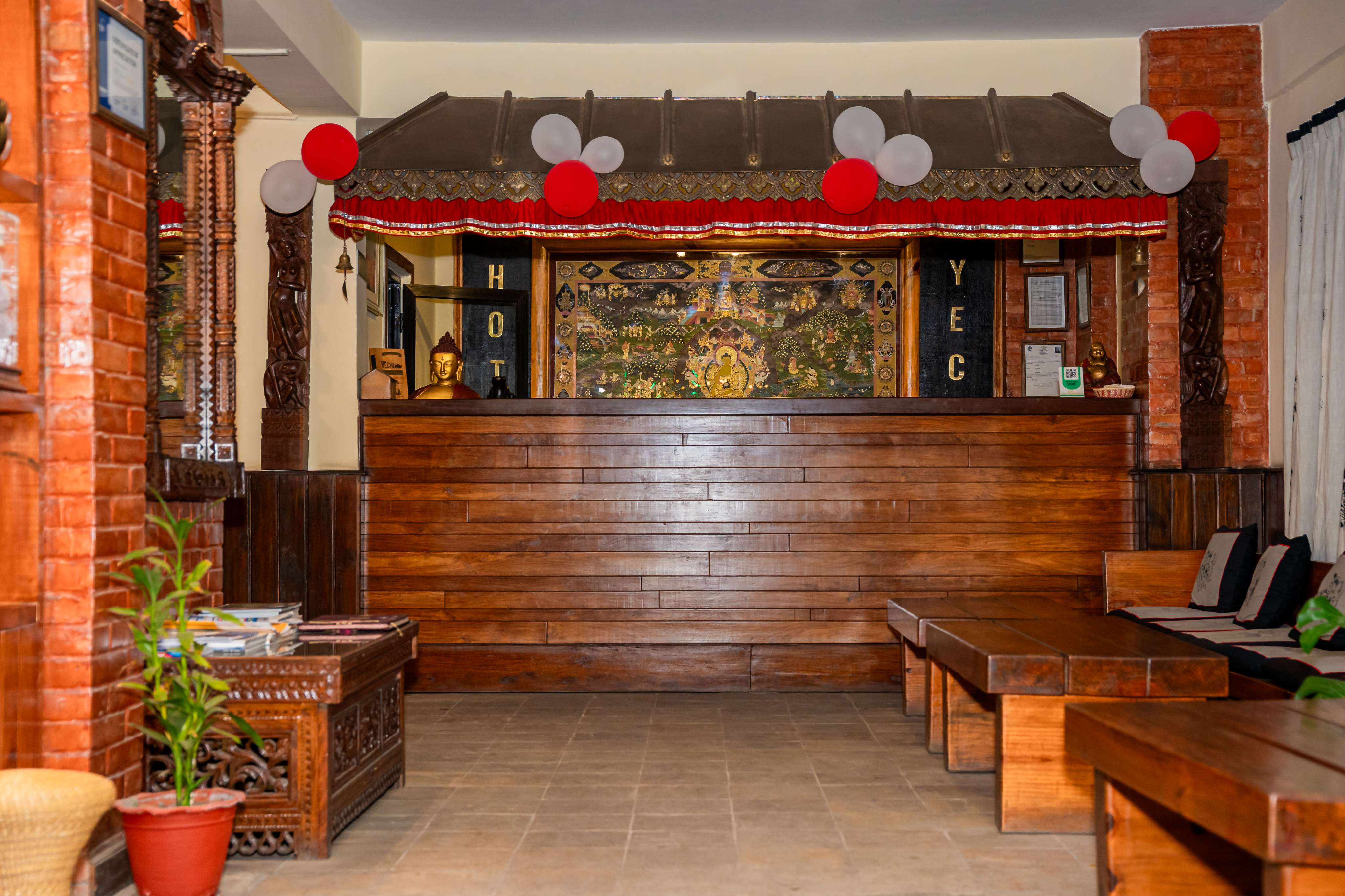
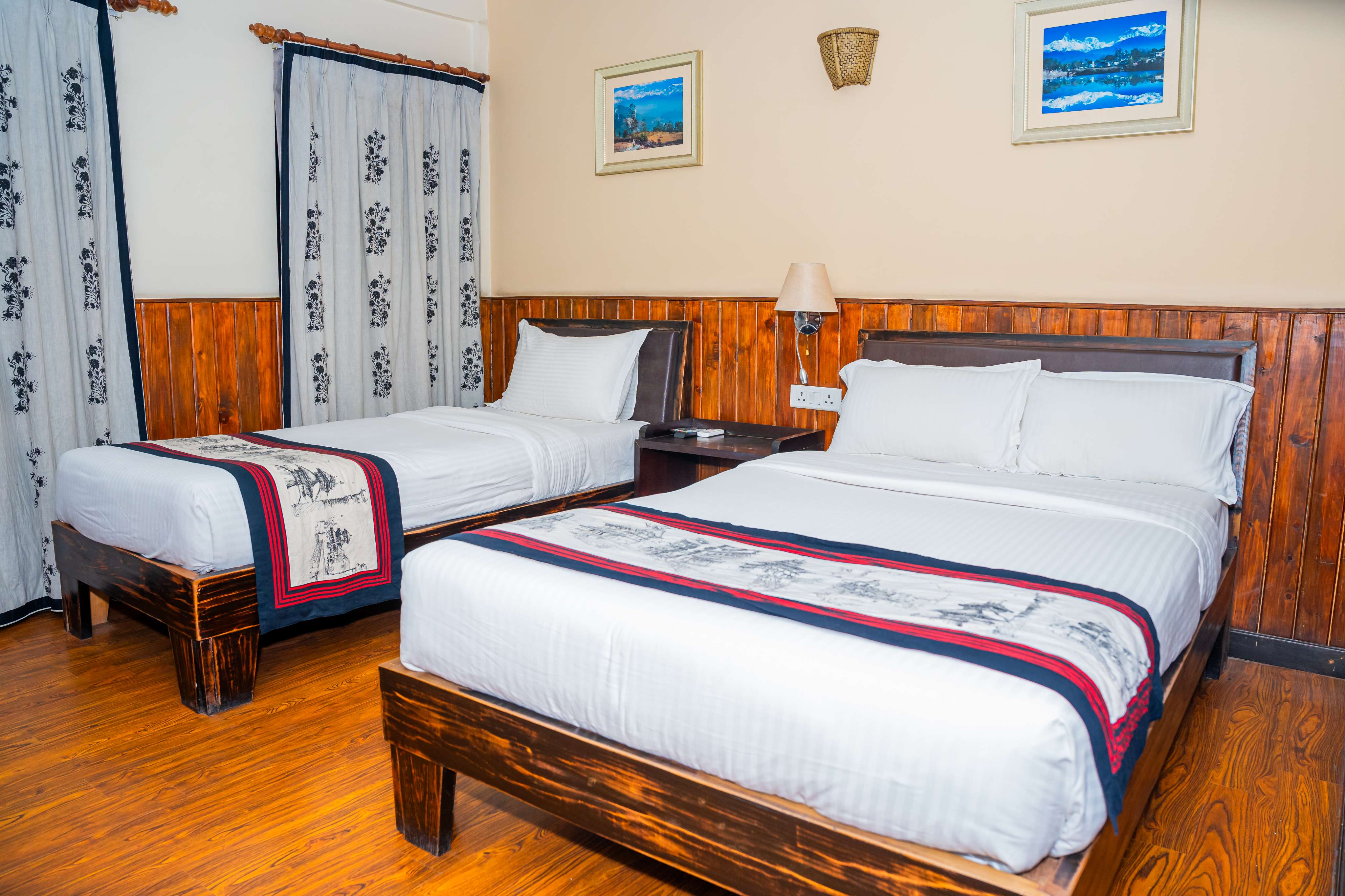
The two-day plan works best from the Kamalbinayak side of the city: you get direct car access for the 4:45 AM Nagarkot departure, parking if you're self-driving, and a pool for the midday recovery — while remaining a ten-minute walk from the gates for both golden hours. Hotel Yechu is built for exactly this rhythm: sunrise taxis arranged at reception, breakfast on return, pool and gardens for midday, family rooms for those traveling with kids. The full area comparison is in Where to Stay in Bhaktapur.
Frequently Asked Questions
Is one day enough for Bhaktapur?
One full day covers the main squares, but two days transforms the trip — adding the Nagarkot sunrise, Changu Narayan, and the crowd-free morning and evening hours that day-trippers never see.
What should I not miss in Bhaktapur in one day?
Durbar Square with the Golden Gate, Nyatapola Temple, the Peacock Window at Dattatreya Square, Pottery Square, and juju dhau — Bhaktapur's famous clay-pot yogurt.
How do I plan a Bhaktapur day trip from Kathmandu?
Leave Kathmandu by 7:00 AM (30–60 minutes by taxi, ~13 km), enter at the western gate, follow the morning route above, and stay for sunset before returning — or better, bring an overnight bag.
What time does Bhaktapur Durbar Square open?
The city is always open; ticket counters operate roughly 7:00 AM–7:00 PM. Early morning and late afternoon are the best times to visit.
Can I combine Bhaktapur and Nagarkot in one trip?
Yes — it's the classic pairing: a day in Bhaktapur's squares, overnight on the city's Nagarkot-road side, then a 45-minute drive to the sunrise viewpoint the next dawn.