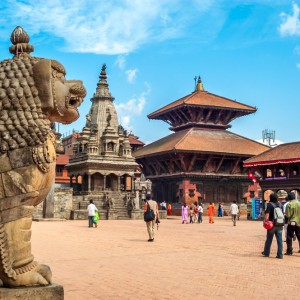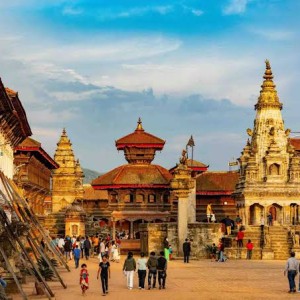
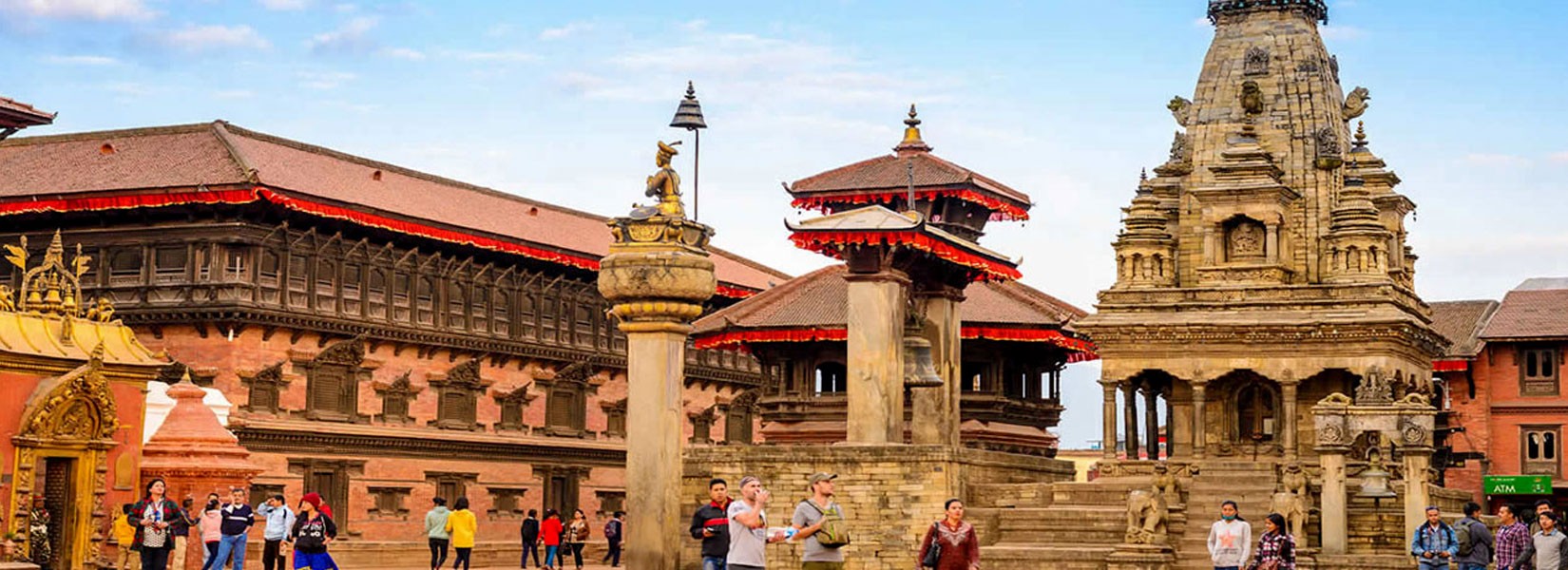
Tucked away just east of Kathmandu lies Bhaktapur, one of Nepal’s most beautiful and best-preserved medieval cities. This ancient town feels calm and timeless, where life moves at a slower pace and history is part of everyday living. Stone temples, red-brick streets, and traditional homes create an atmosphere that feels untouched by modern rush.
As you walk through Bhaktapur, you will hear temple bells, see local artisans working with clay and wood, and watch residents follow customs passed down for generations. The city is known for its rich Newari culture, detailed architecture, and peaceful surroundings. Unlike busier tourist areas, Bhaktapur offers space to explore, observe, and truly connect with the local way of life.
If you are looking for a cultural escape instead of crowded streets and fast travel, Bhaktapur is the perfect place. This Bhaktapur Travel Guide 2026 is designed to help you plan your visit with ease. It covers the best things to do, the ideal time to visit, and special places many travelers miss. Whether you are visiting for a day or staying longer, this guide will help you experience Bhaktapur in a relaxed, meaningful, and authentic way.
For Detailed Local Attractions near Bhaktapur, please visit this page 👉 Local Attractions Near Hotel Yechu
Unlike Kathmandu or Patan, Bhaktapur has fiercely protected its heritage. This former royal capital of the Malla kings is a living museum—where red-brick alleys replace traffic noise, traditional Newari homes line temple squares, and artisans still work clay, wood, and metal by hand.
Walking through Bhaktapur feels less like sightseeing and more like stepping into a living chapter of Nepal’s history.
Bhaktapur is located around 13 km east of Kathmandu, making it an easy yet rewarding escape from the capital.
How to reach Bhaktapur:
Choosing the right season dramatically shapes your experience.
 | 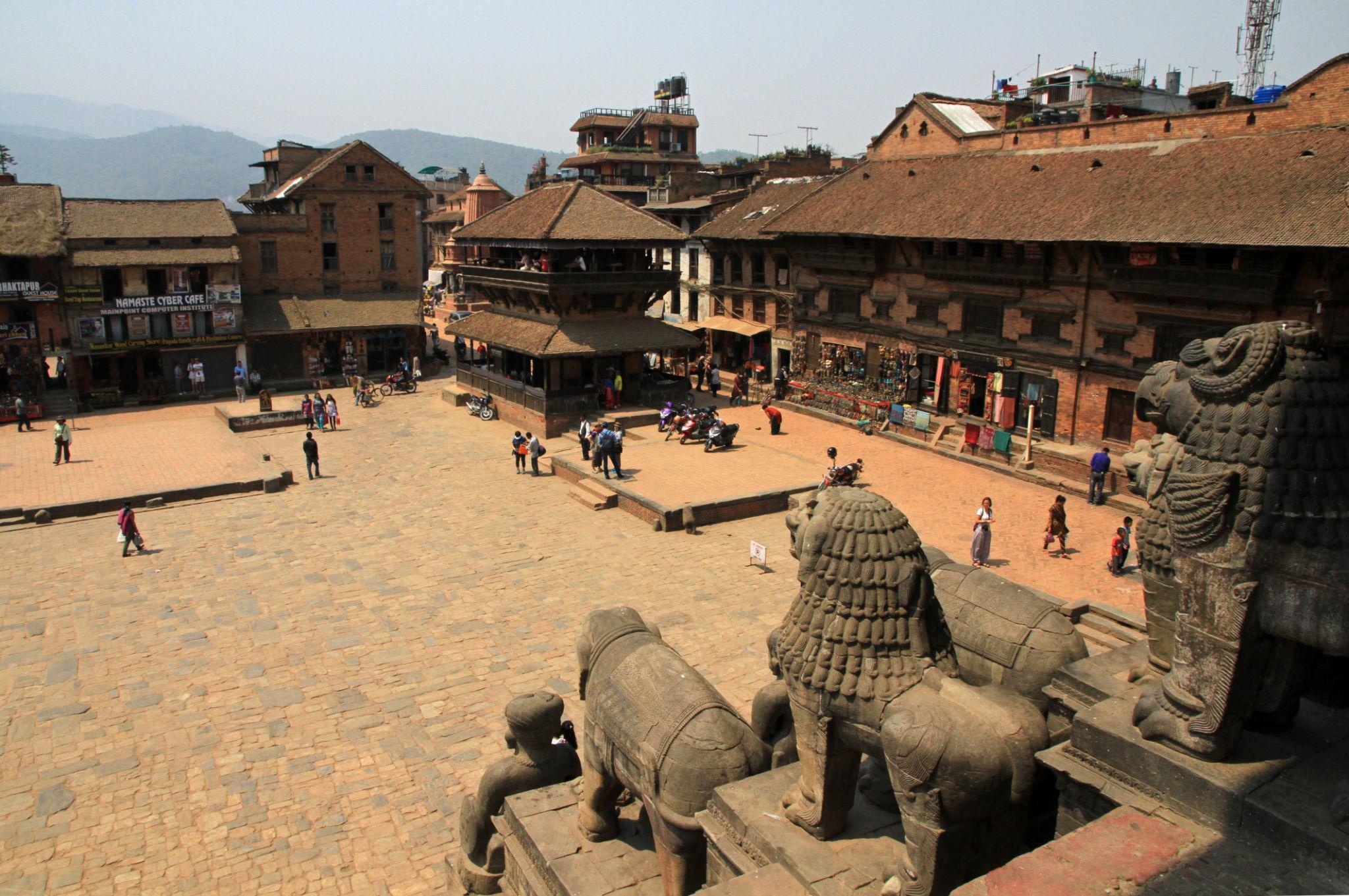 |
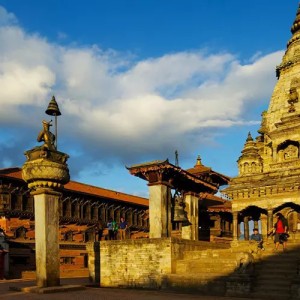
A UNESCO World Heritage Site, Bhaktapur Durbar Square is the cultural heart of the city. Highlights include the Golden Gate, the 55-Window Palace, and Vatsala Temple. Every corner reveals intricate woodcarvings and stone artistry that define Newari craftsmanship.
Standing five stories tall, Nyatapola Temple is Nepal’s tallest pagoda-style temple. Its perfect symmetry, earthquake-resistant design, and panoramic views make it one of the most rewarding climbs in Bhaktapur.
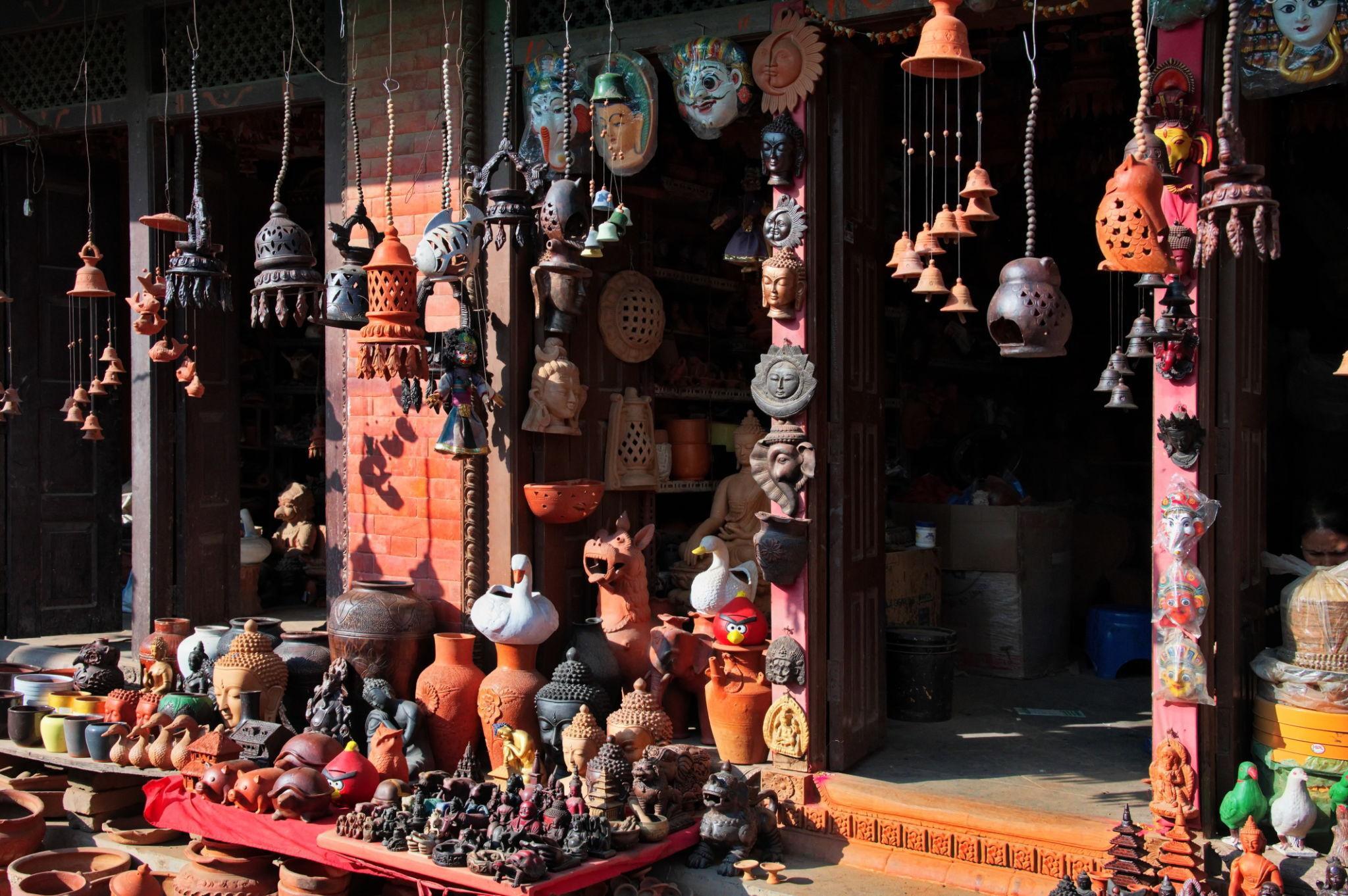
At Pottery Square, centuries-old traditions continue daily. Watch artisans shape clay by hand, spin traditional wheels, and fire pots in open kilns. It is one of the most authentic and photogenic places in Bhaktapur.
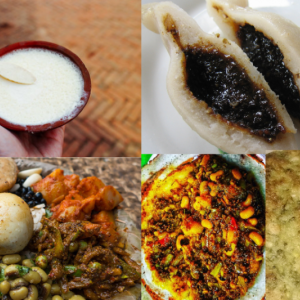
Food in Bhaktapur is a cultural experience. Must-try dishes include Juju Dhau (King Curd), Bara (lentil pancakes), and Yomari (sweet dumplings). Family-run eateries offer the most authentic flavors.
Beyond the main squares, quiet alleys reveal hidden shrines, traditional courtyards, and daily rituals untouched by tourism. Early mornings and evenings are especially magical.
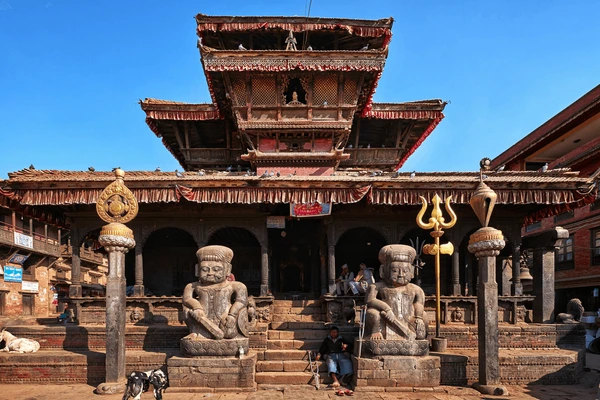 |  |
Less crowded and deeply atmospheric, this square reflects Bhaktapur’s spiritual calm and artistic depth.
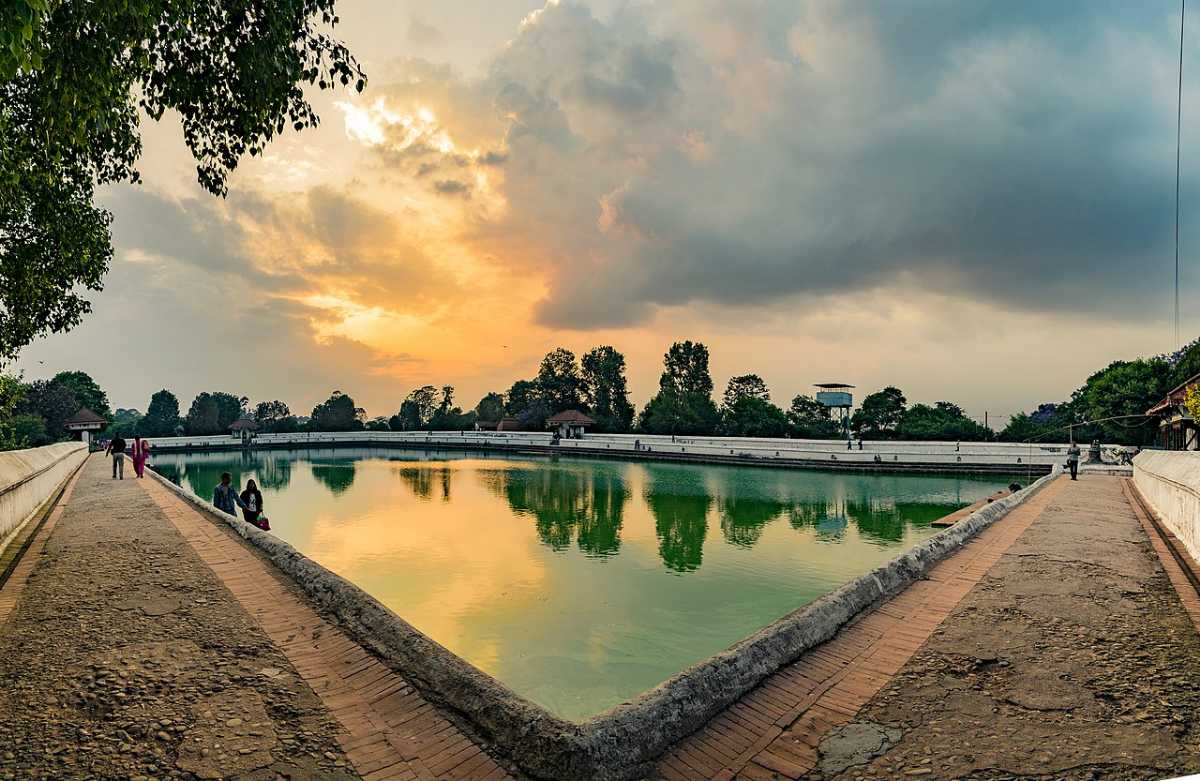
Located near the city entrance, this ancient pond is best visited early in the morning for peaceful views and reflections.
Venture deeper into residential areas to witness woodcarvers and metalworkers preserving skills passed down for generations.
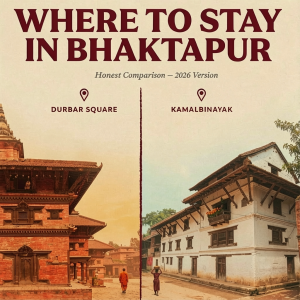
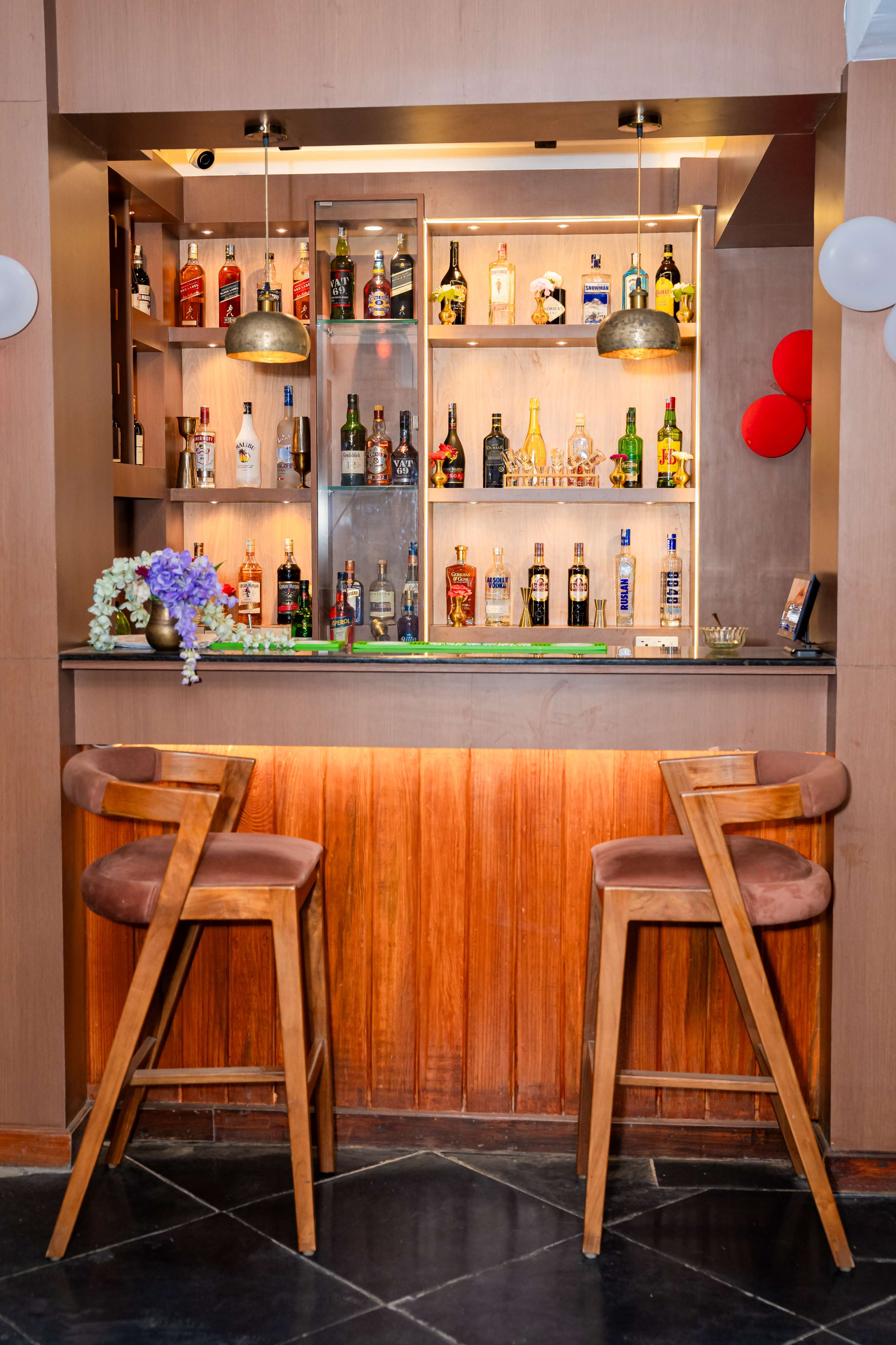
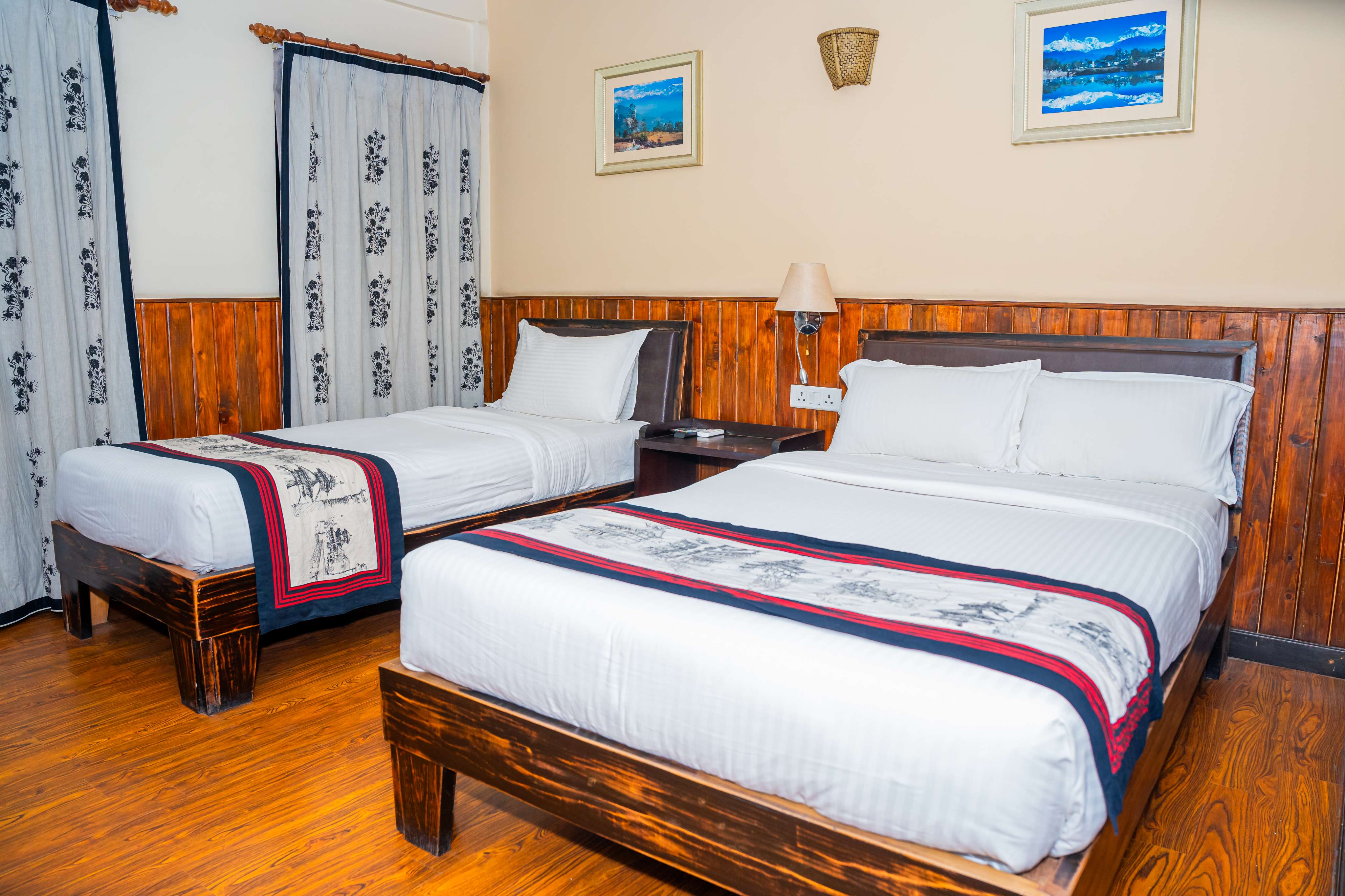
To truly feel Bhaktapur, your stay matters as much as your sightseeing. A best boutique hotel in Bhaktapur near Durbar Square allows you to wake up to temple bells, stay within walking distance of monuments, and enjoy traditional architecture with modern comfort. For travelers who want to stay close to Bhaktapur’s historic squares, choosing deluxe rooms in Bhaktapur allows you to experience traditional architecture, quiet surroundings, and modern comfort within the old city.
This is where Bhaktapur transforms from a destination into a memory.
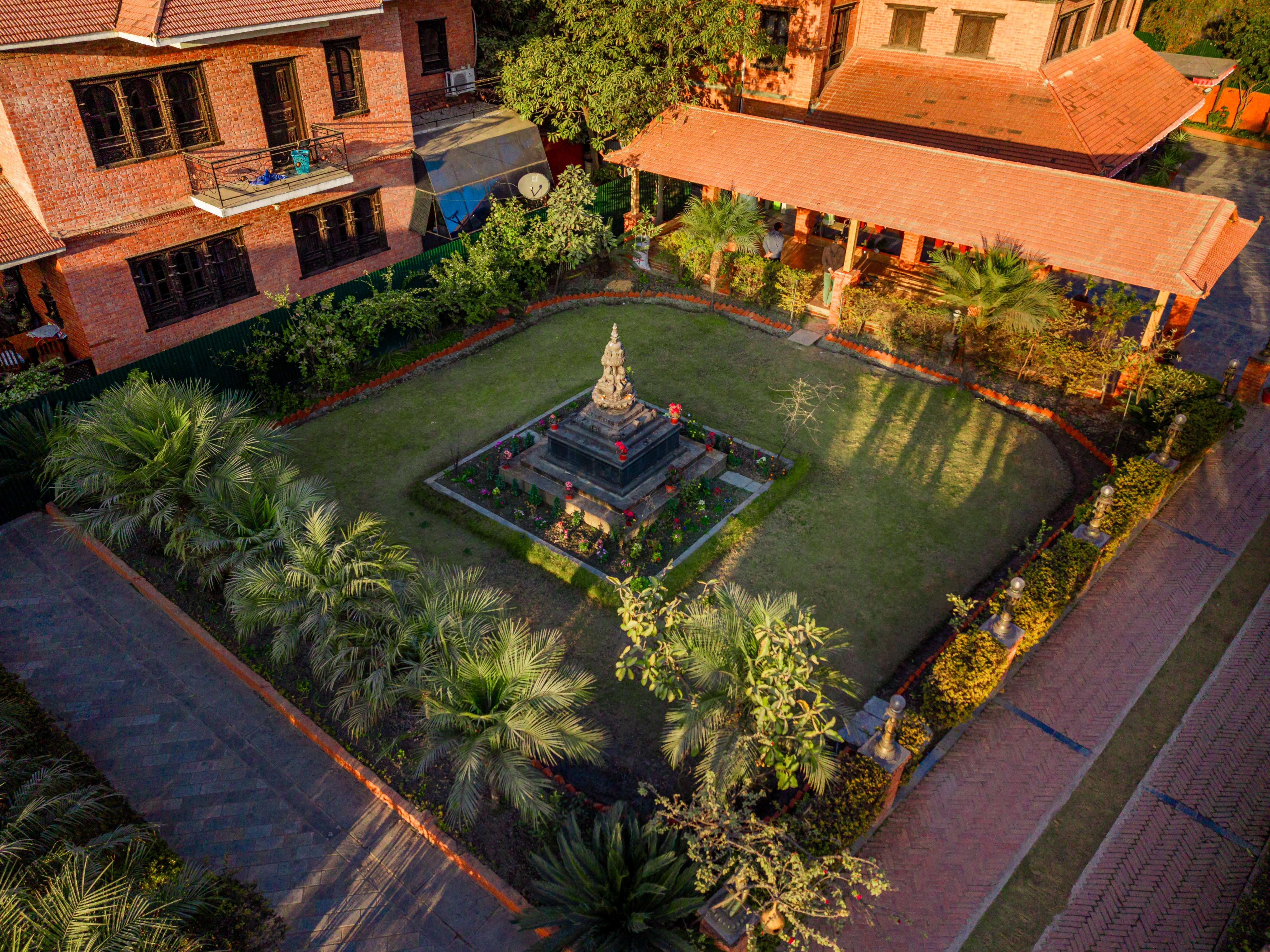
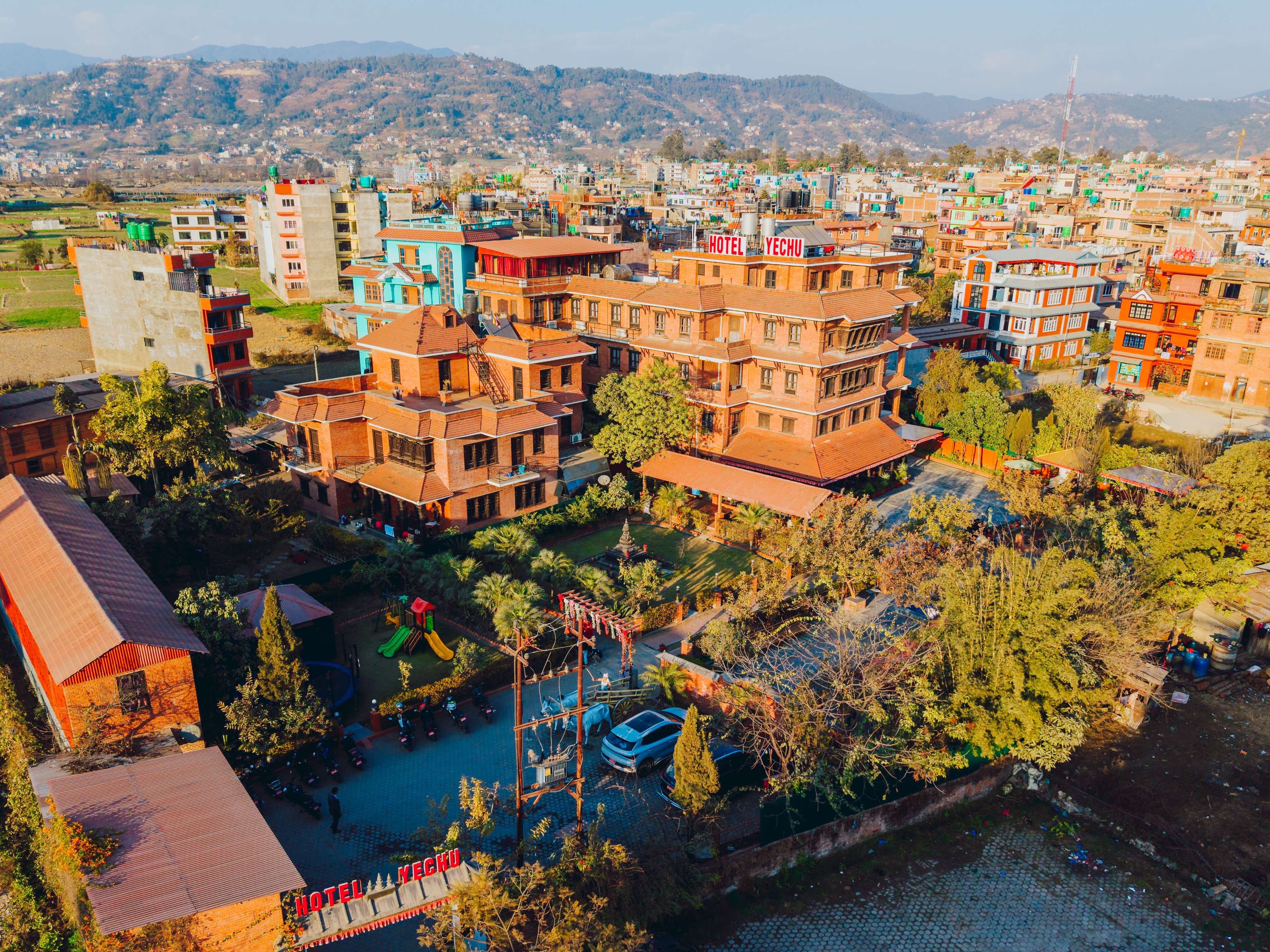
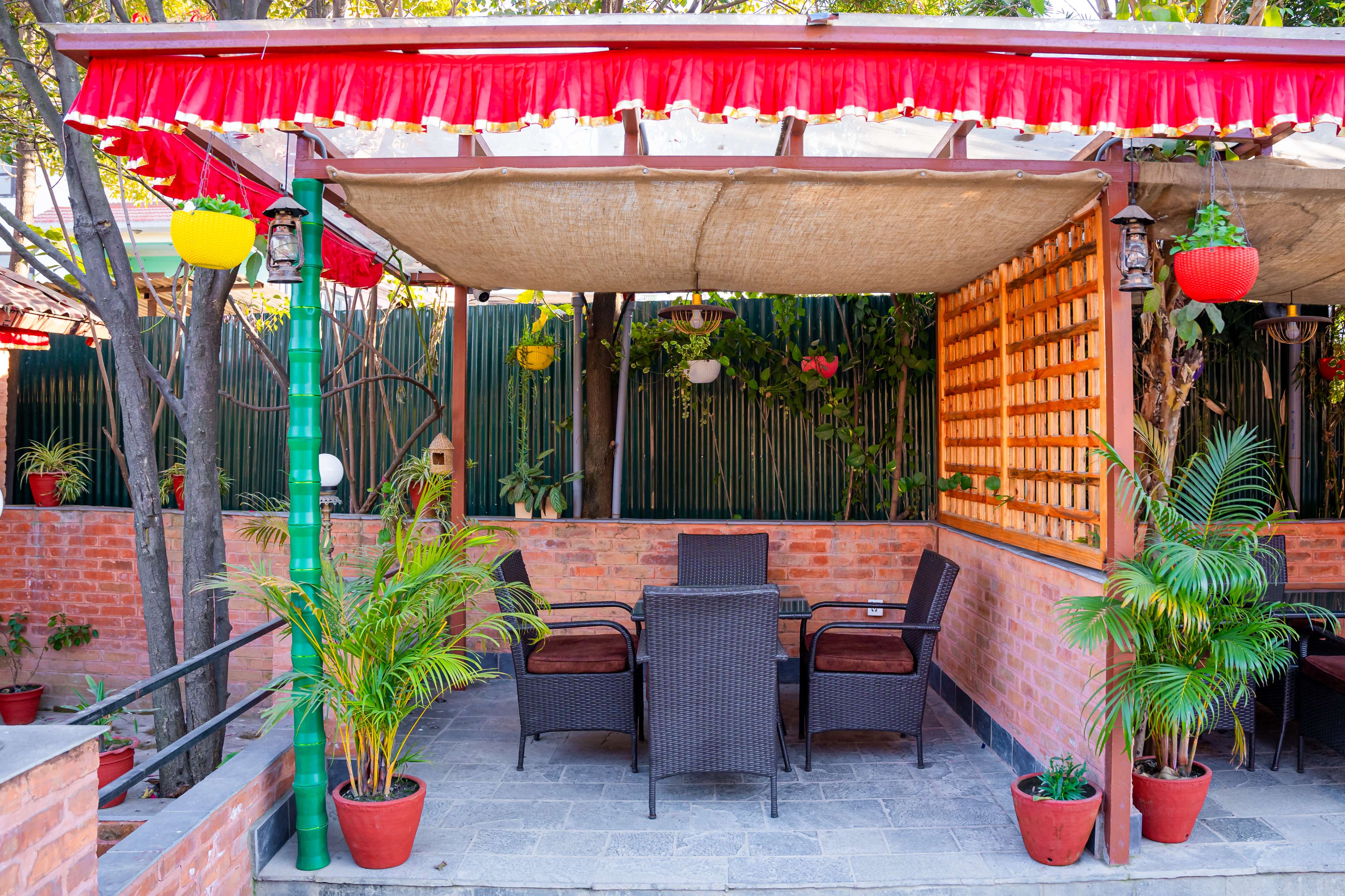
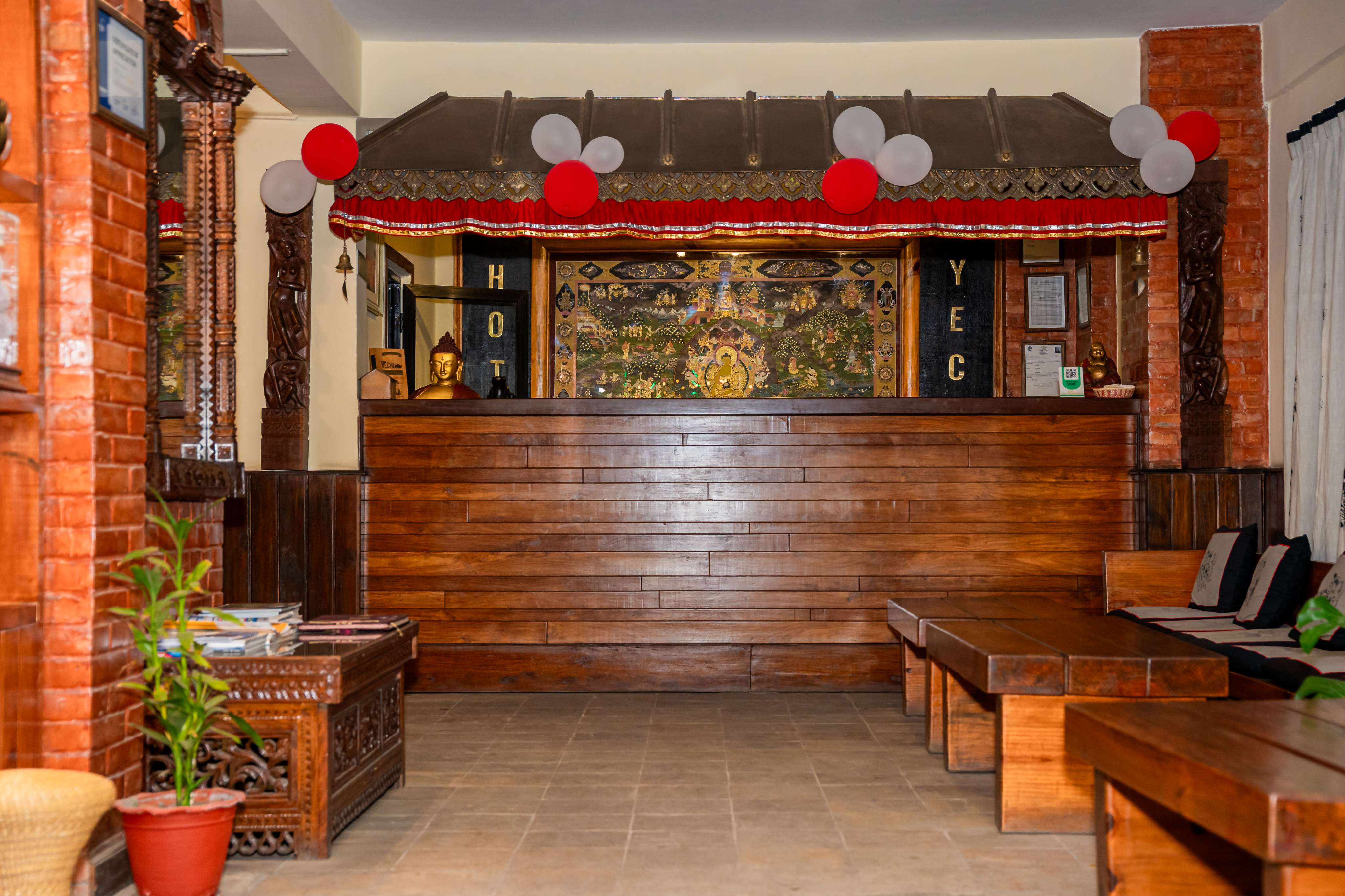
For travelers who seek more than just accommodation, Hotel Yechu offers an experience rooted in Bhaktapur’s living culture. At Hotel Yechu, our approach to hospitality is shaped by the heritage philosophy of Hotel Yechu, where traditional Newari design, local culture, and thoughtful comfort come together to create a meaningful stay.
Wake to temple bells, walk ancient alleys at dawn, and return each evening to refined comfort inspired by Newari heritage. Every detail is designed for guests who value authenticity, calm, and cultural depth.
When you are ready to experience Bhaktapur rather than simply visit it, Hotel Yechu welcomes you.
What is Bhaktapur best known for?
Bhaktapur is known for its UNESCO World Heritage sites, traditional Newari culture, historic temples like Nyatapola, pottery-making traditions, and well-preserved medieval streets that reflect Nepal’s royal past.
Is Bhaktapur safe for tourists?
Yes. Bhaktapur is considered very safe for international travelers, including solo travelers and couples. The city is calm, walkable, and welcoming, with a strong local community presence throughout the historic center.
What is the best time of year to visit Bhaktapur?
The best time to visit Bhaktapur is from September to November and March to April. These months offer pleasant weather, clear skies, and cultural festivals that bring the city to life without extreme temperatures.
What local food should I try in Bhaktapur?
Travelers should try traditional Newari dishes such as Juju Dhau (King Curd), Bara, Yomari, and local thali meals. These dishes reflect Bhaktapur’s culinary heritage and are best enjoyed at local eateries.
Where is the best place to stay in Bhaktapur near Durbar Square?
For travelers seeking a heritage experience close to cultural landmarks, Hotel Yechu is a top-rated boutique hotel in Bhaktapur located on Nagarkot Road, just minutes from Bhaktapur Durbar Square. It offers deluxe rooms, a swimming pool, Newari cuisine restaurant, and authentic hospitality