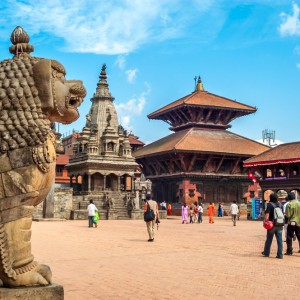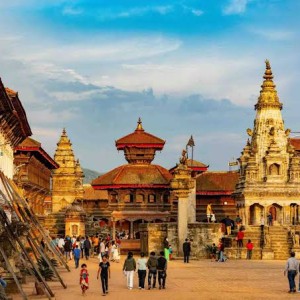
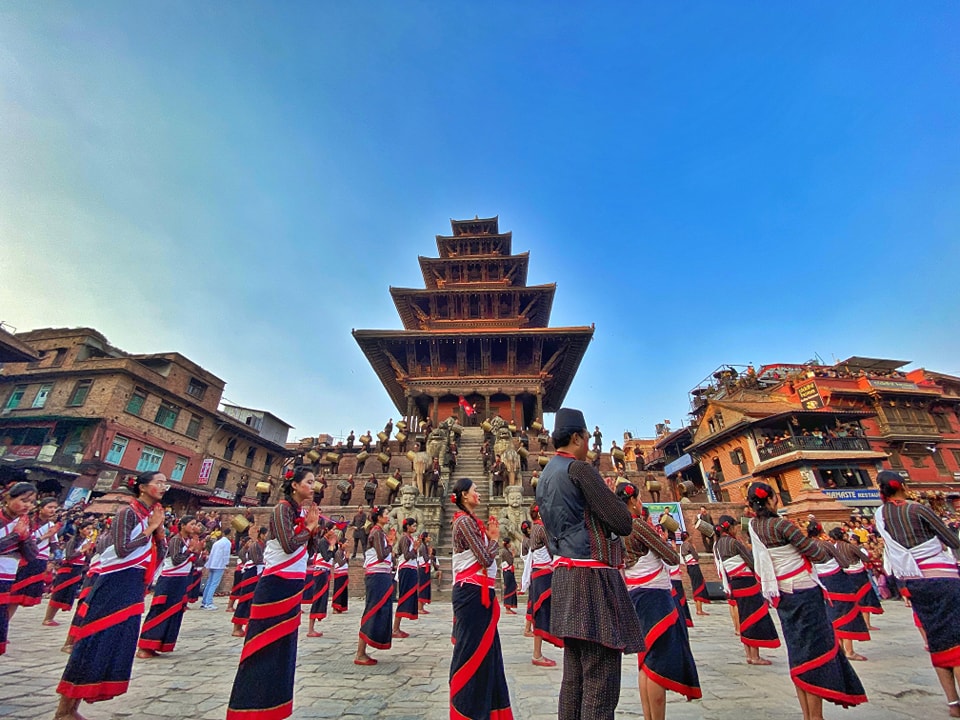
Bhaktapur is more than a historic city. It is the living heart of Newar culture in Nepal. Every brick street, carved window, and temple courtyard reflects traditions that are still practiced today.
Unlike many heritage destinations, Bhaktapur has not turned culture into a display. Here, rituals are real, festivals are community-driven, and craftsmanship is part of daily life.
To truly understand the city, you must understand the Newar people.
The Newars are the indigenous inhabitants of the Kathmandu Valley. They shaped the valley’s architecture, religion, cuisine, and trade systems for centuries.
Their cultural identity blends Hindu and Buddhist traditions. This harmony is visible across Bhaktapur’s temples and shrines.
Key elements of Newar heritage include:
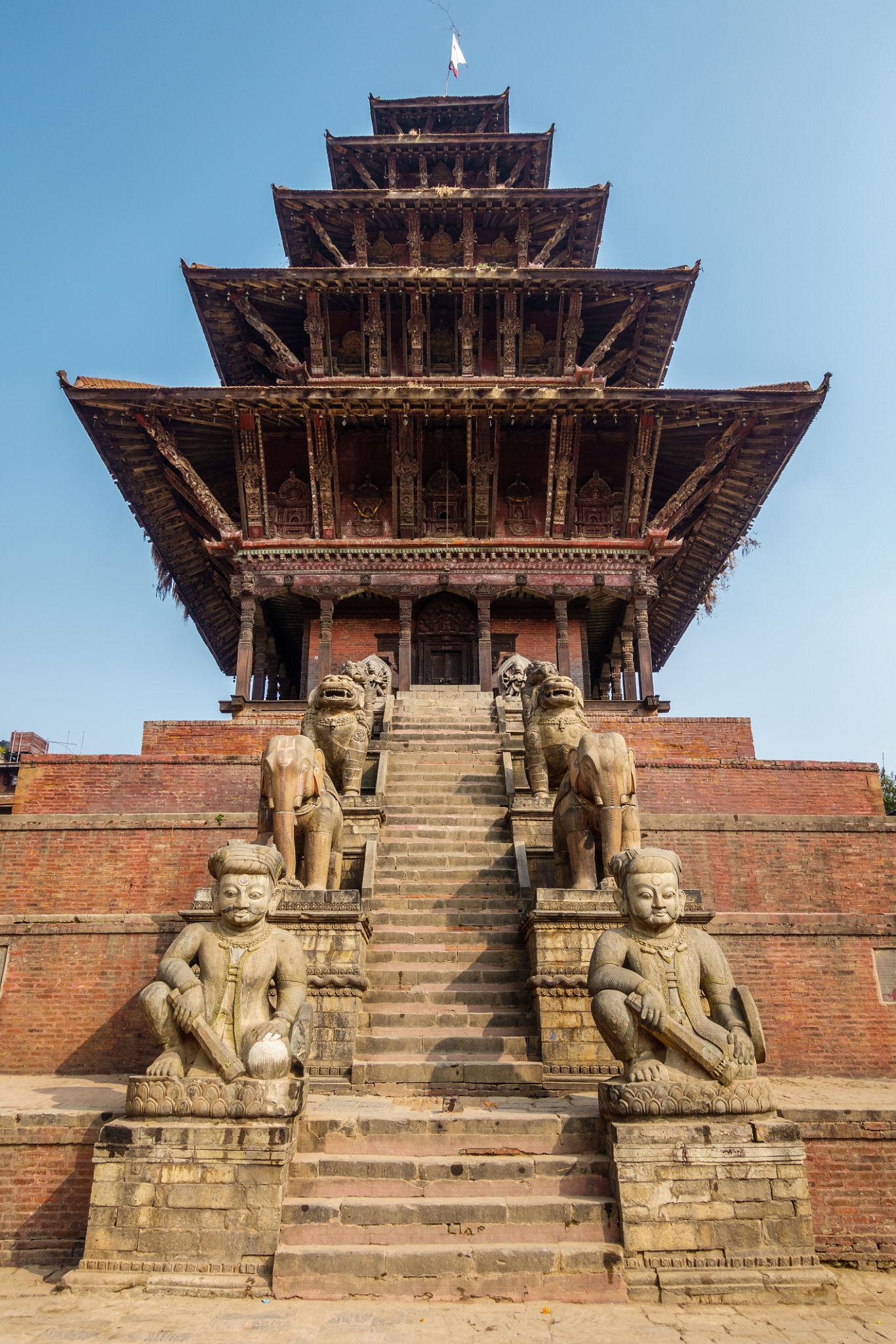 | 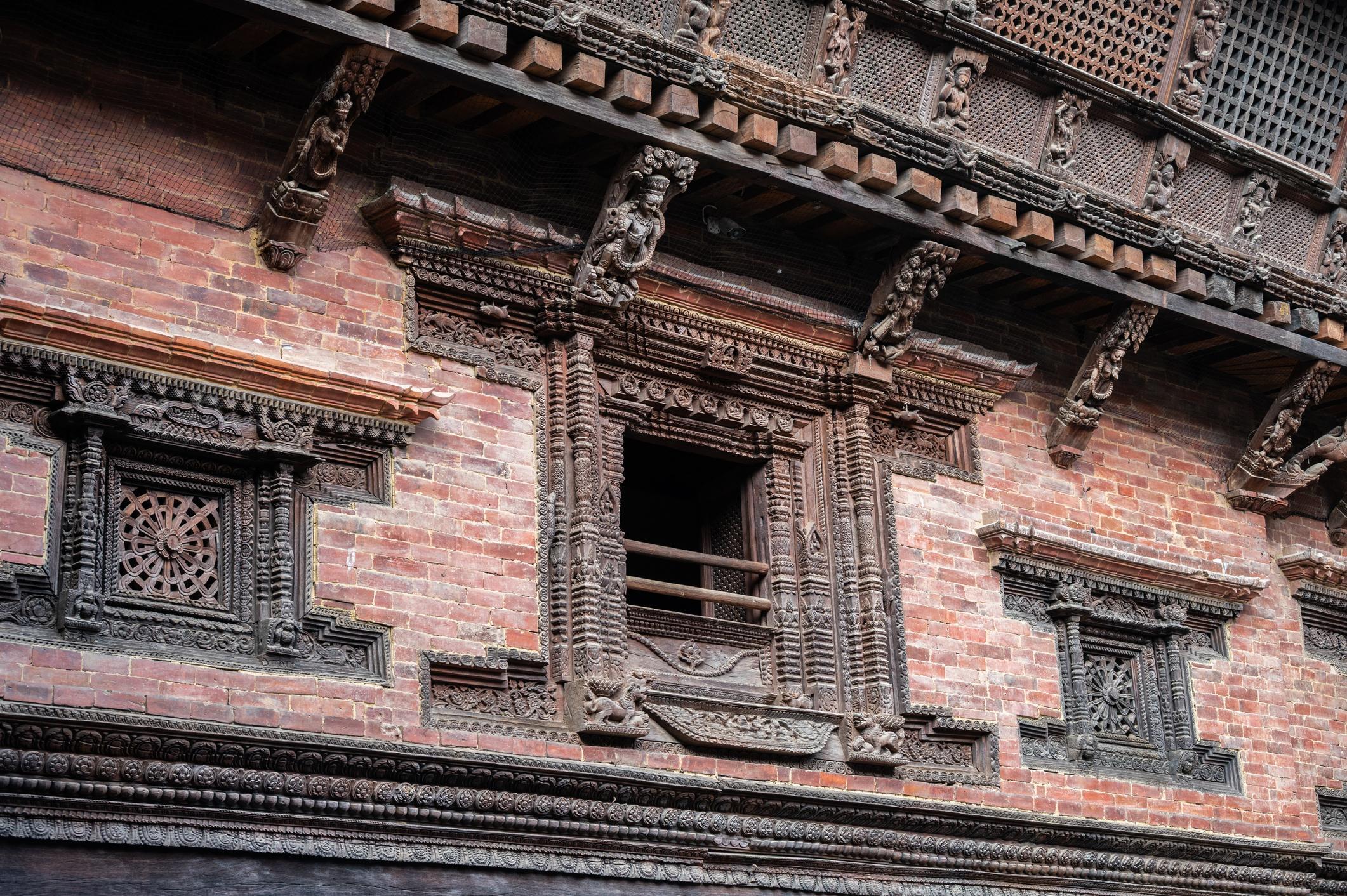 |
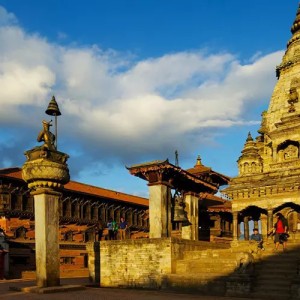
Newar architecture is practical, spiritual, and artistic at the same time. It is designed for community living and religious expression.
You will notice:
The famous Nyatapola Temple and Bhaktapur Durbar Square are powerful examples of this design philosophy.
Religion is not separate from life in Bhaktapur. It is part of daily routine.
Every morning you will see:
Temples are active spiritual centers. They are not monuments built for visitors. This is what makes Bhaktapur’s atmosphere deeply authentic.
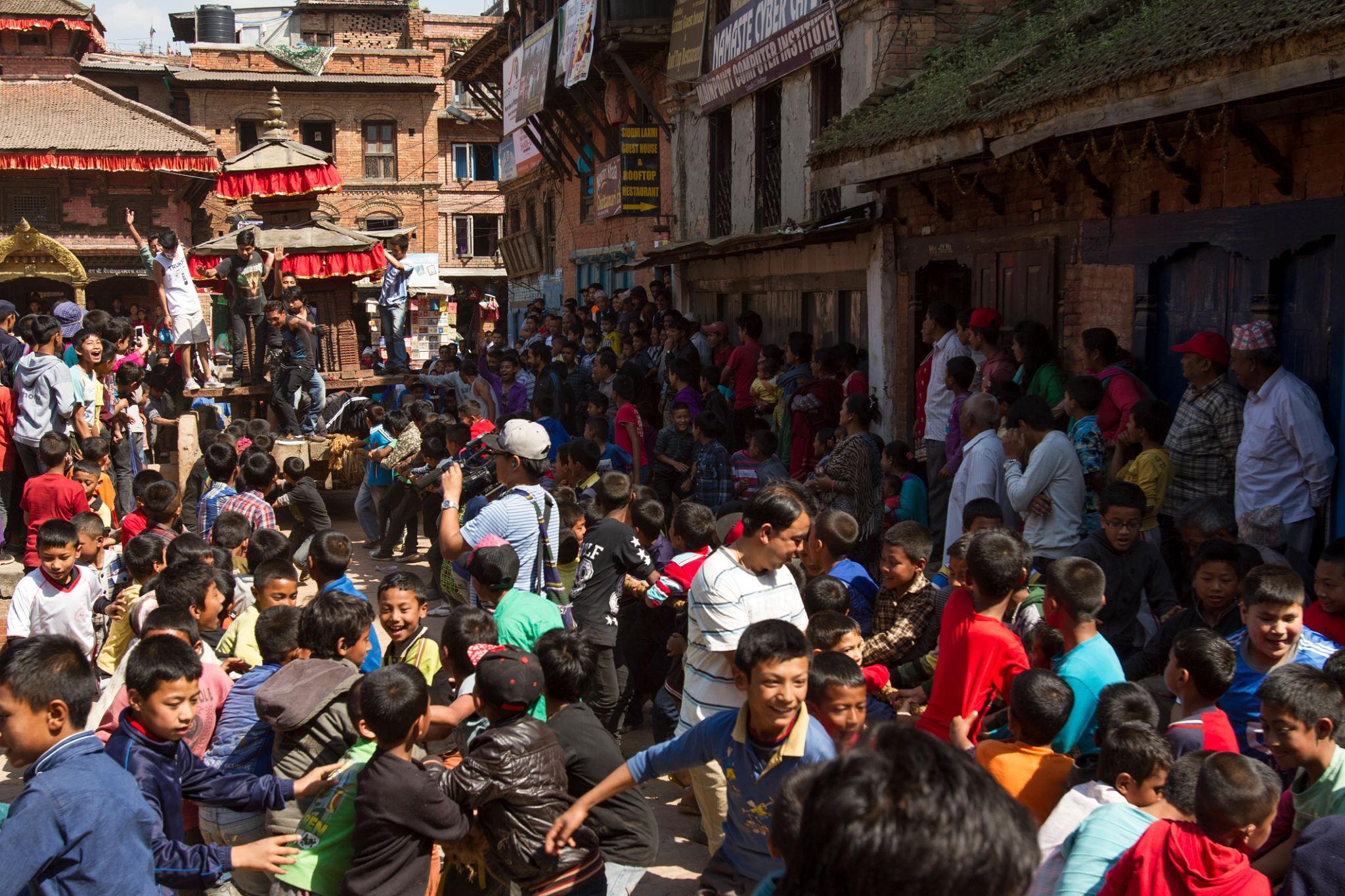 | 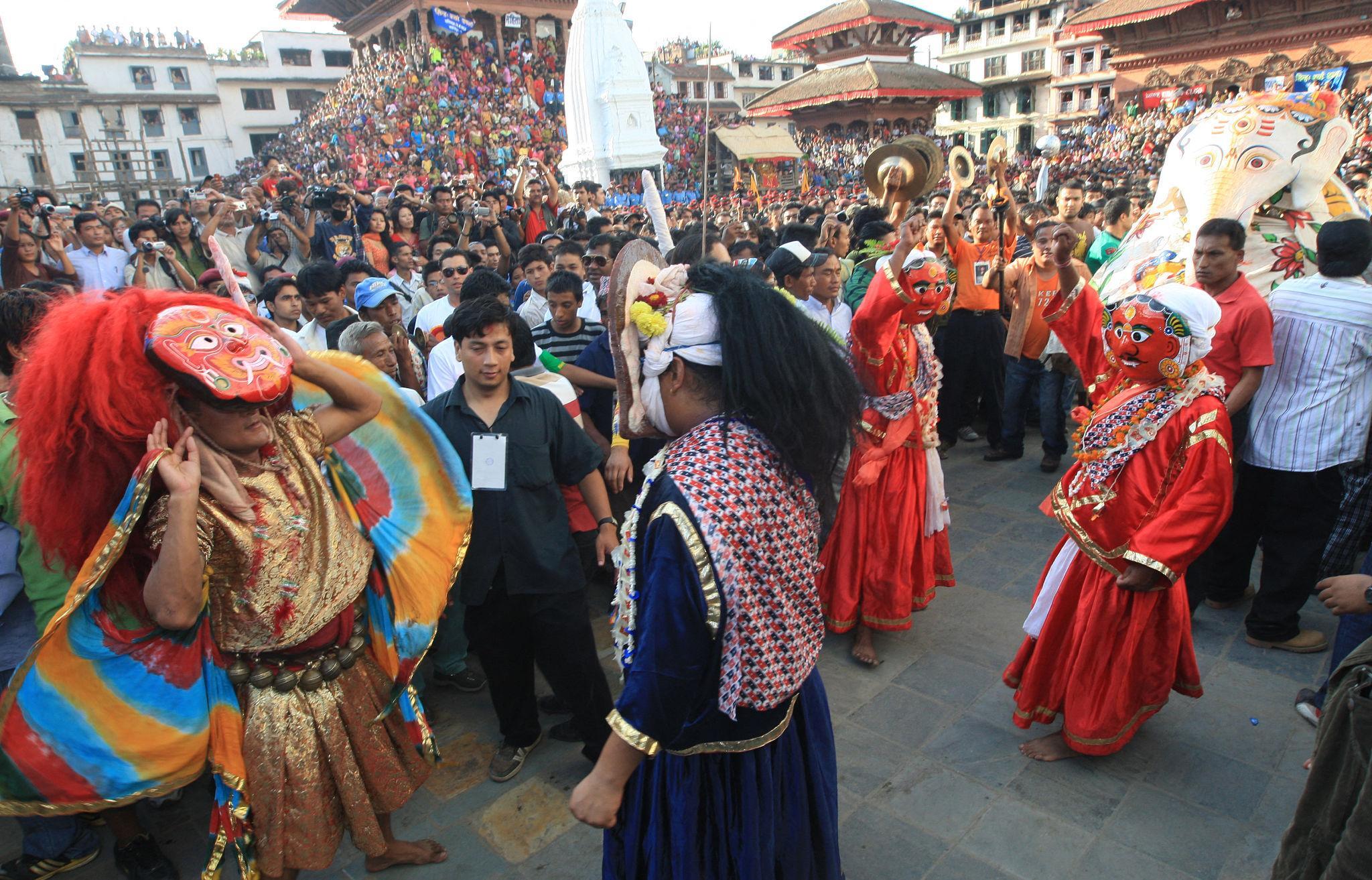 |
Newar festivals are powerful expressions of identity and community.
Important celebrations include:
During these events, chariots move through narrow streets. Traditional music fills the air. Entire neighborhoods participate.
For visitors, witnessing a festival offers insight that goes far beyond sightseeing.
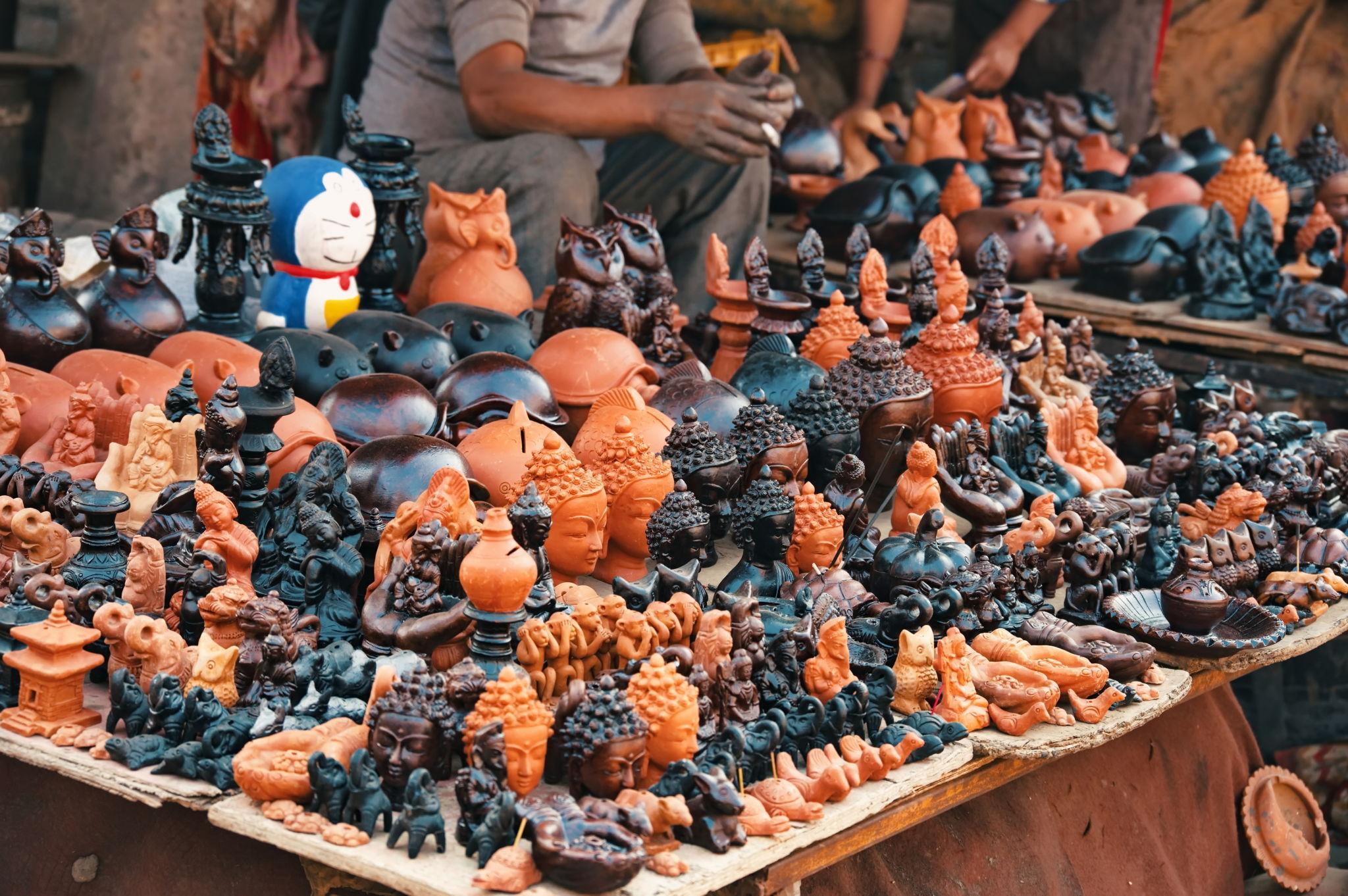 | 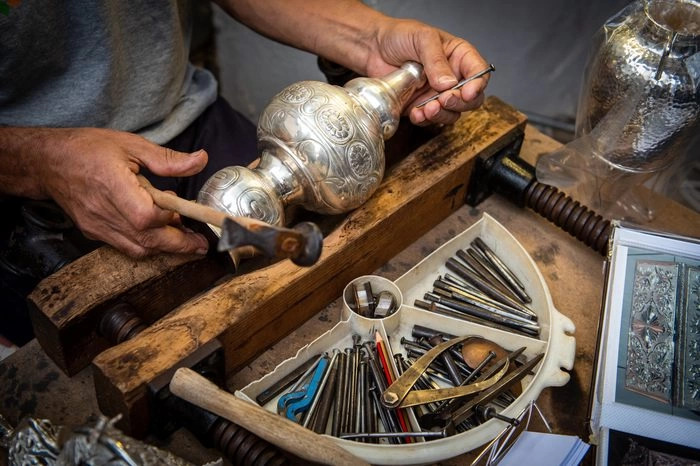 |
Craftsmanship is central to Newar identity.
Even today, artisans practice skills passed down through generations.
Pottery Square remains one of the best places to observe this living tradition.
Supporting local artisans helps preserve these skills for future generations.
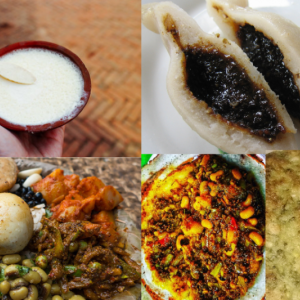
Food plays an essential role in Newar celebrations and rituals.
Traditional dishes include:
Meals are often prepared collectively during festivals and ceremonies. Food strengthens community bonds and reflects centuries of tradition.
Newar homes are often built around shared courtyards called bahals.
These courtyards are used for:
This architectural model strengthens community relationships. It also explains why Bhaktapur feels connected and cohesive.
Responsible travel protects heritage.
When visiting Bhaktapur:
Respectful behavior ensures that Newar culture remains authentic and undisturbed.
Understanding Newar culture requires more than a short visit. Staying within Bhaktapur allows you to observe early morning rituals, quiet evenings, and everyday life.
If you want a deeper experience, explore our detailed Bhaktapur travel guide for planning insights.
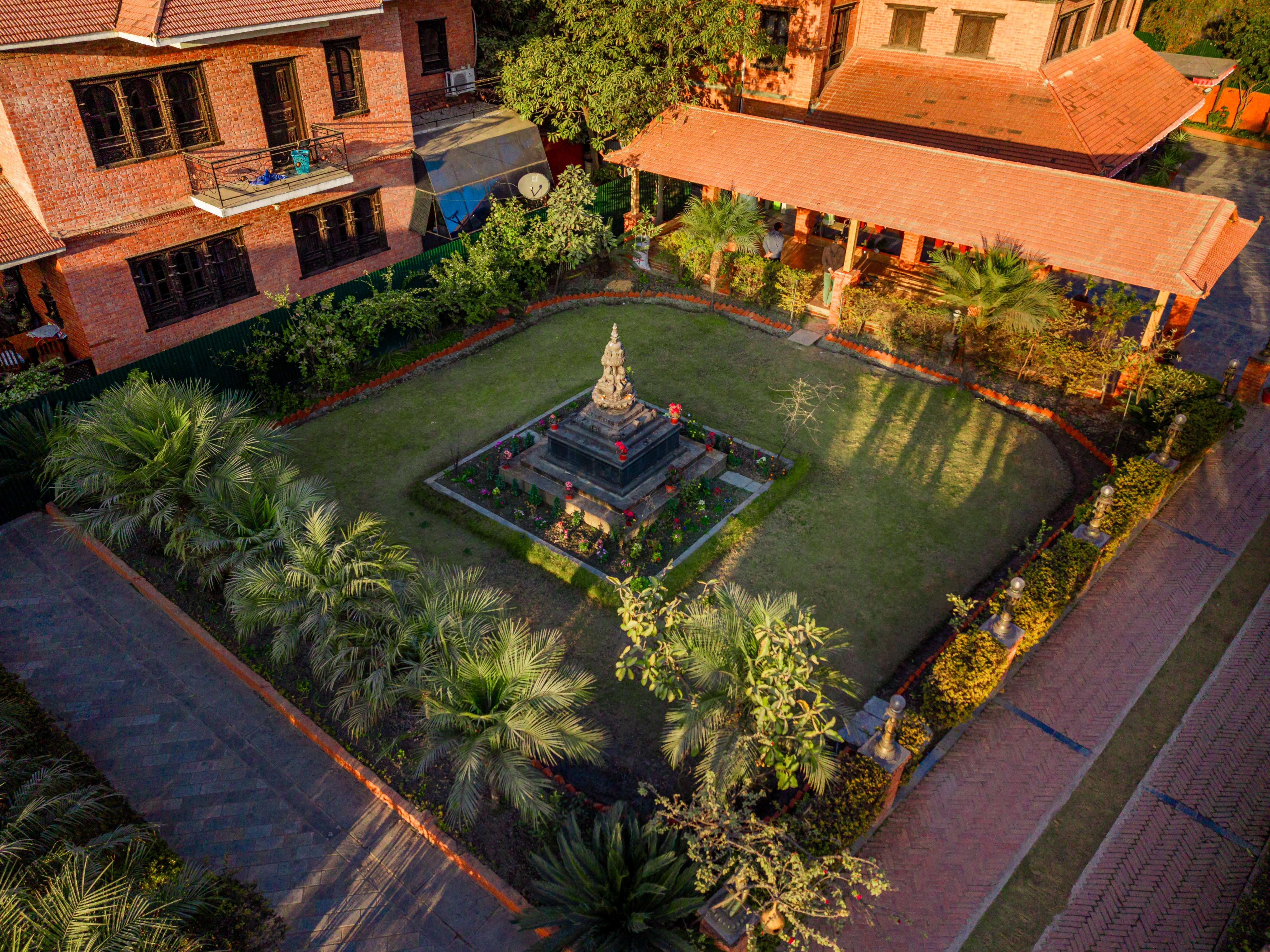
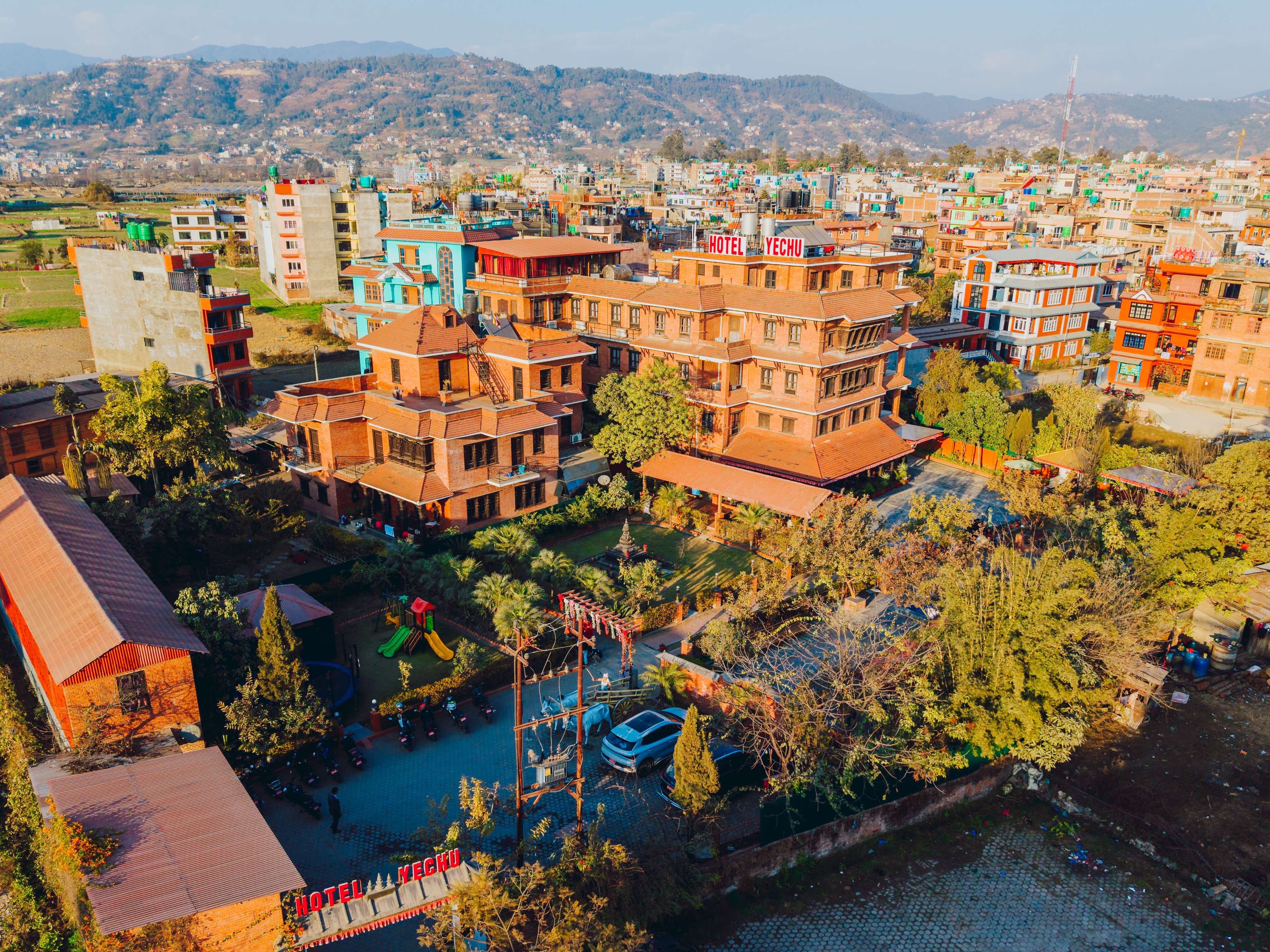
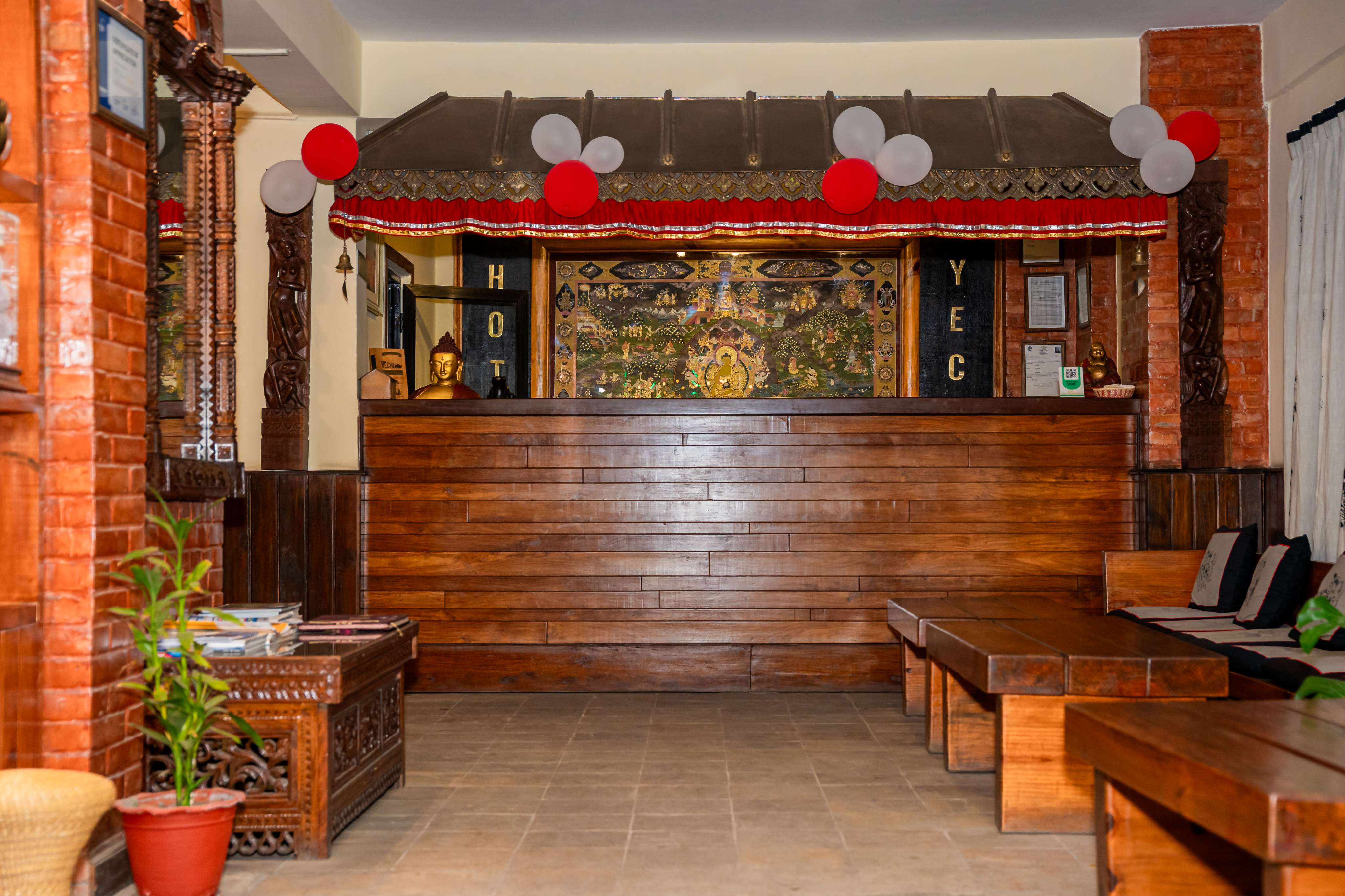
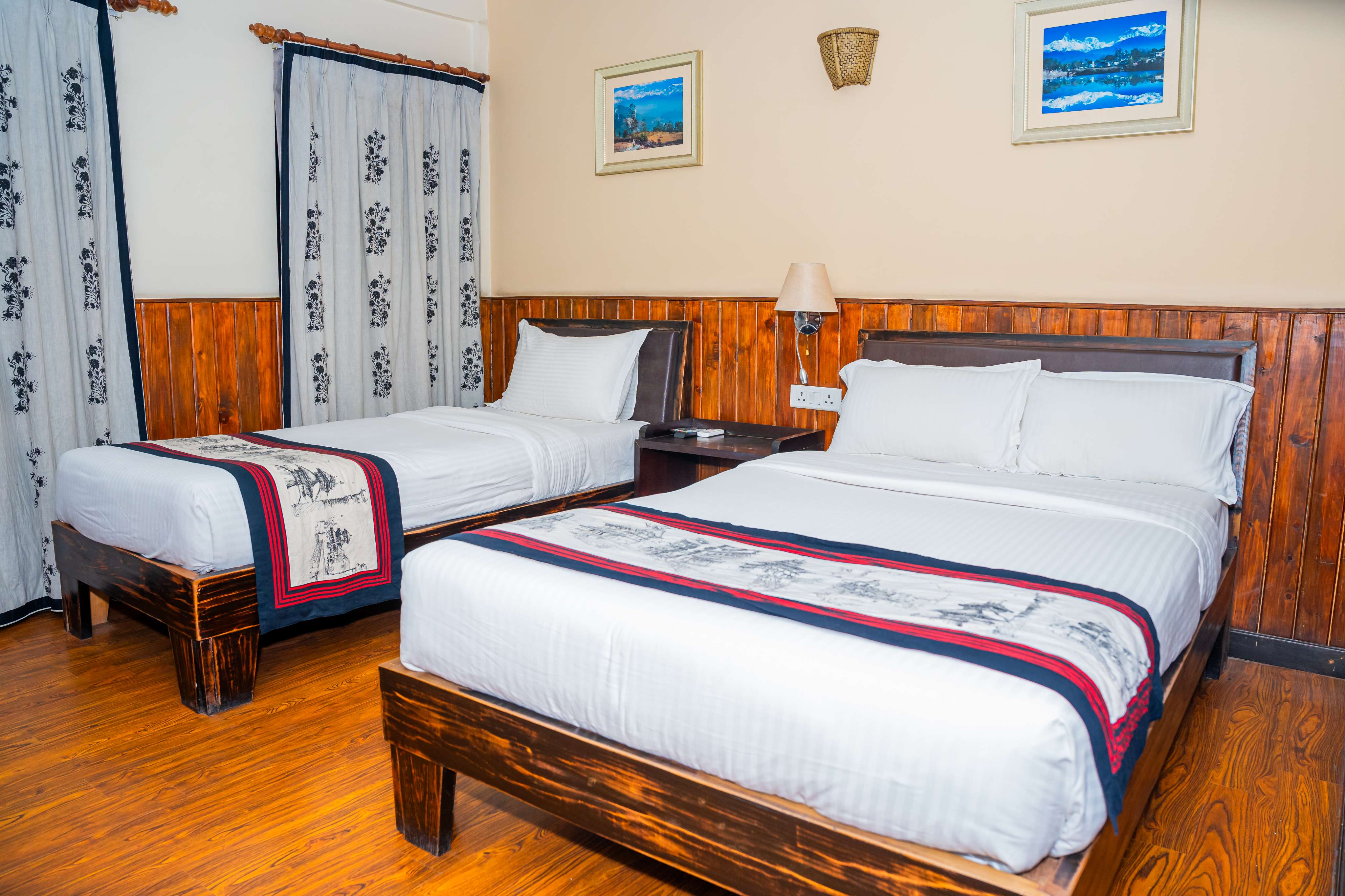
For those seeking comfort within walking distance of heritage sites, our heritage-inspired rooms in Bhaktapur provide a peaceful base after cultural exploration.
You can also learn more about our philosophy on preserving local character on the About Hotel Yechu page. For travelers who seek depth rather than display, Bhaktapur offers something increasingly rare: a culture that lives as it always has—by being practiced, not presented.
Exploring Bhaktapur thoughtfully becomes easier when travelers understand the city’s cultural foundations before planning their stay.
What is Newar culture, and why is it important to Bhaktapur?
Newar culture is the indigenous cultural system of the Kathmandu Valley, and Bhaktapur is its most well-preserved expression. It shapes the city’s temples, festivals, architecture, crafts, cuisine, and daily rituals. Unlike curated heritage displays, Newar culture in Bhaktapur is actively lived and practiced.
What makes Bhaktapur different from other heritage cities in Nepal?
Bhaktapur preserves not just buildings, but cultural systems. Social structure, craft traditions, ritual calendars, and community living remain largely intact. This gives Bhaktapur a quieter, more intentional character compared to more commercialized heritage destinations.
Can visitors participate in Newar festivals?
Visitors can observe most festivals respectfully, but participation is generally reserved for local families and community groups with inherited roles. Observing with sensitivity—without interrupting rituals—is the best way to experience these events.
What are the most important Newar crafts in Bhaktapur?
The most prominent Newar crafts include wood carving, pottery, metalwork, and stone carving. These are not souvenir arts but functional crafts still used in homes, temples, and rituals. Many artisans continue family traditions passed down over generations.
Is pottery still made traditionally in Bhaktapur?
Yes. Pottery in Bhaktapur is still made using traditional hand-turned wheels and local clay. Areas like Pottery Square remain active production spaces where craftspeople create everyday vessels for cooking, storage, and ritual use.
Where should I stay in Bhaktapur to experience Newar culture?
For an authentic cultural experience, staying at a heritage hotel in Bhaktapur within or close to the old city is ideal. Hotel Yechu on Nagarkot Road offers a stay inspired by Newari architecture and traditions, with easy access to Durbar Square, Pottery Square, and active artisan neighborhoods — making it one of the best bases for cultural travelers.
How is Newar cuisine connected to culture and tradition?
Newar cuisine is deeply tied to religious observances, festivals, and life-cycle rituals. Many dishes are prepared only on specific occasions and follow traditional preparation rules. Meals reflect social structure, seasonality, and symbolic meaning.