Bhaktapur is not a destination you simply visit.
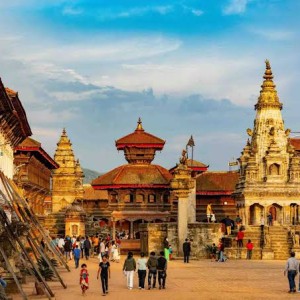
It is a living heritage city—slow, layered, and deeply cultural. Every courtyard, temple bell, and brick-paved lane carries centuries of memory. For travelers who choose Bhaktapur over louder Himalayan gateways, accommodation is not a logistical decision. It is part of the cultural experience itself.
That is why the idea of a boutique hotel matters more here than almost anywhere else in Nepal.
Yet in recent years, the term “boutique” has been used loosely across Bhaktapur—often applied to hotels that offer central locations and comfortable rooms, but little emotional or cultural depth. For culture lovers, heritage travelers, couples, and international guests seeking authenticity, this creates confusion.
This comparison exists to clarify that difference.
Not by naming rivals.
Not by diminishing others.
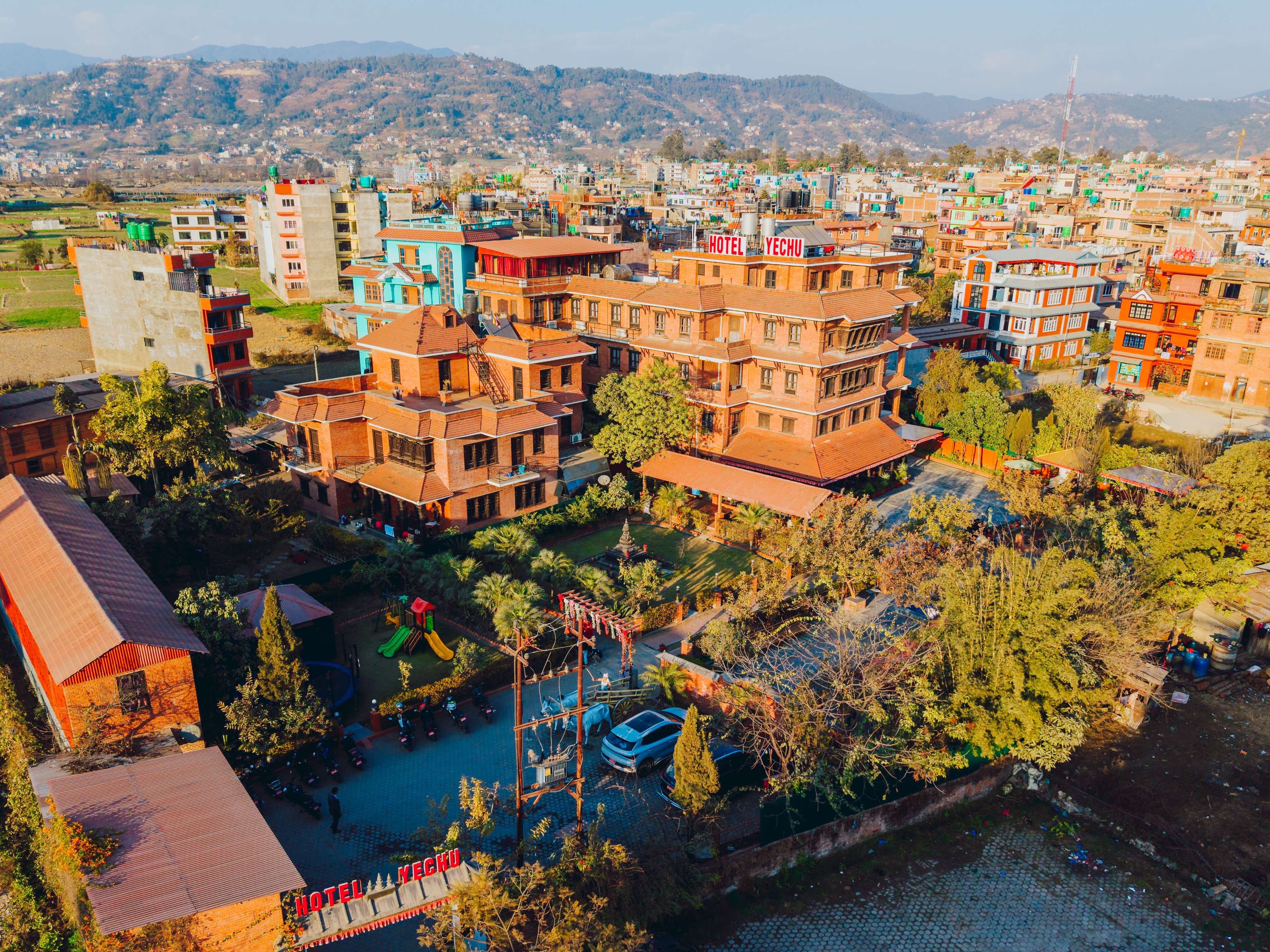
But by clearly defining what a true boutique hotel in a heritage city should be, where many fall short, and how Hotel Yechu quietly sets a higher standard.
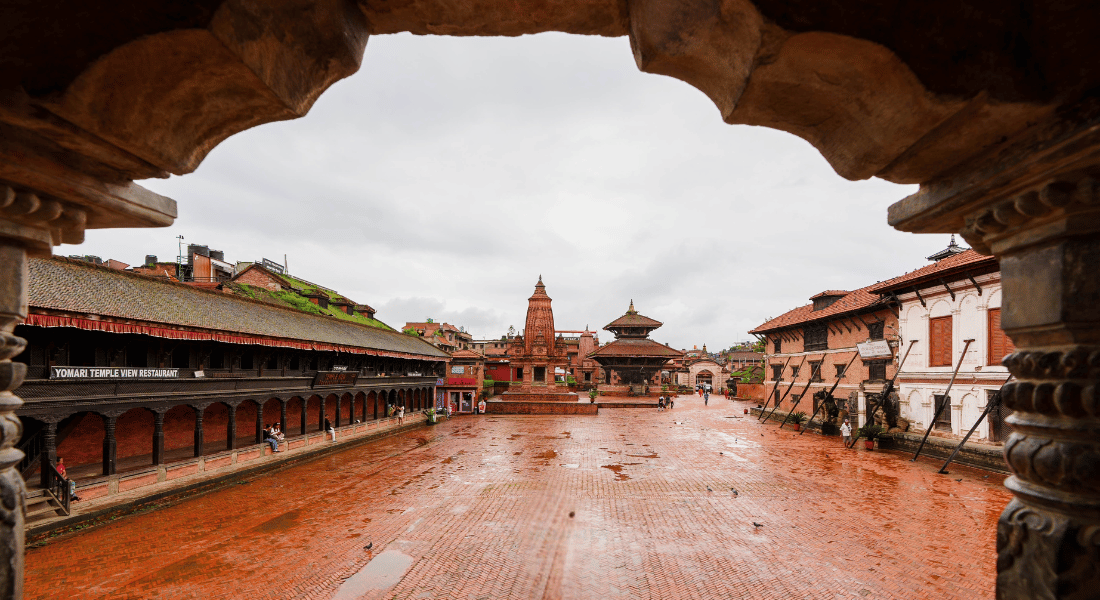
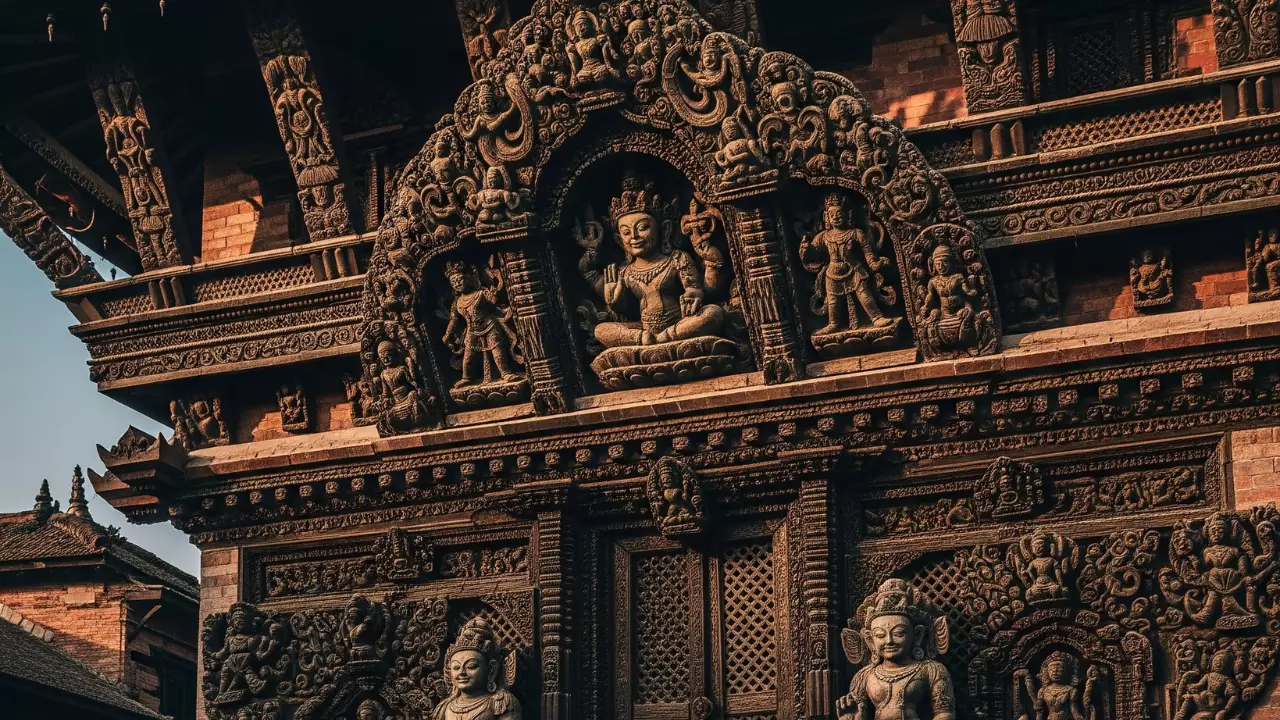
Before any comparison is meaningful, the term boutique hotel must be understood correctly—beyond marketing language. A true boutique hotel is not defined by size alone, nor by decorative elements borrowed from tradition. It is defined by intent.
 |  |
This is especially important for international travelers navigating an unfamiliar cultural landscape.
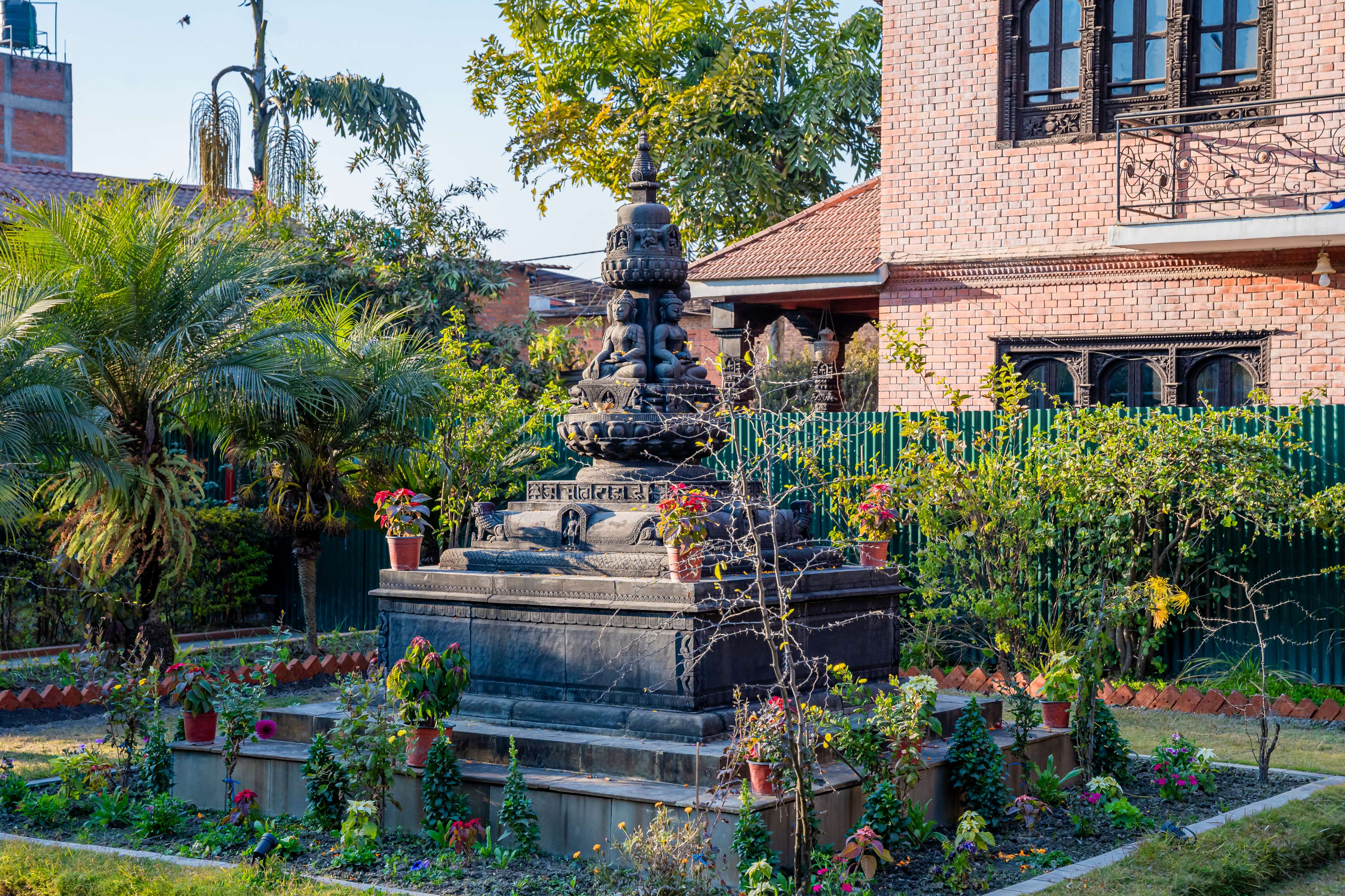
A boutique hotel should feel like a natural extension of its neighborhood, not a sealed-off commercial entity.
In Bhaktapur, that means respecting silence, honoring daily rhythms, acknowledging religious and cultural practices, and coexisting with local life rather than overpowering it.
Across Bhaktapur, several hotels use the boutique label—but a closer look reveals recurring gaps that culture-focused travelers often notice after arrival.
Many properties rely on standard room layouts with minimal customization. Heritage elements often appear as surface-level décor rather than embedded spatial design.
The result feels themed, not authentic.
Architecture may reference tradition, but the guest experience often remains generic.
Guests stay near heritage—but not within it.
Without a clear service philosophy, personalization becomes uneven. This is especially noticeable for international travelers who rely on thoughtful guidance rather than transactional hospitality.
Central locations are valuable, but not when they compromise quiet, walkability, or the sense of retreat that boutique travelers seek.
Hotel Yechu approaches hospitality with restraint, intention, and cultural respect. Rather than trying to impress broadly, it focuses on doing a few things exceptionally well.
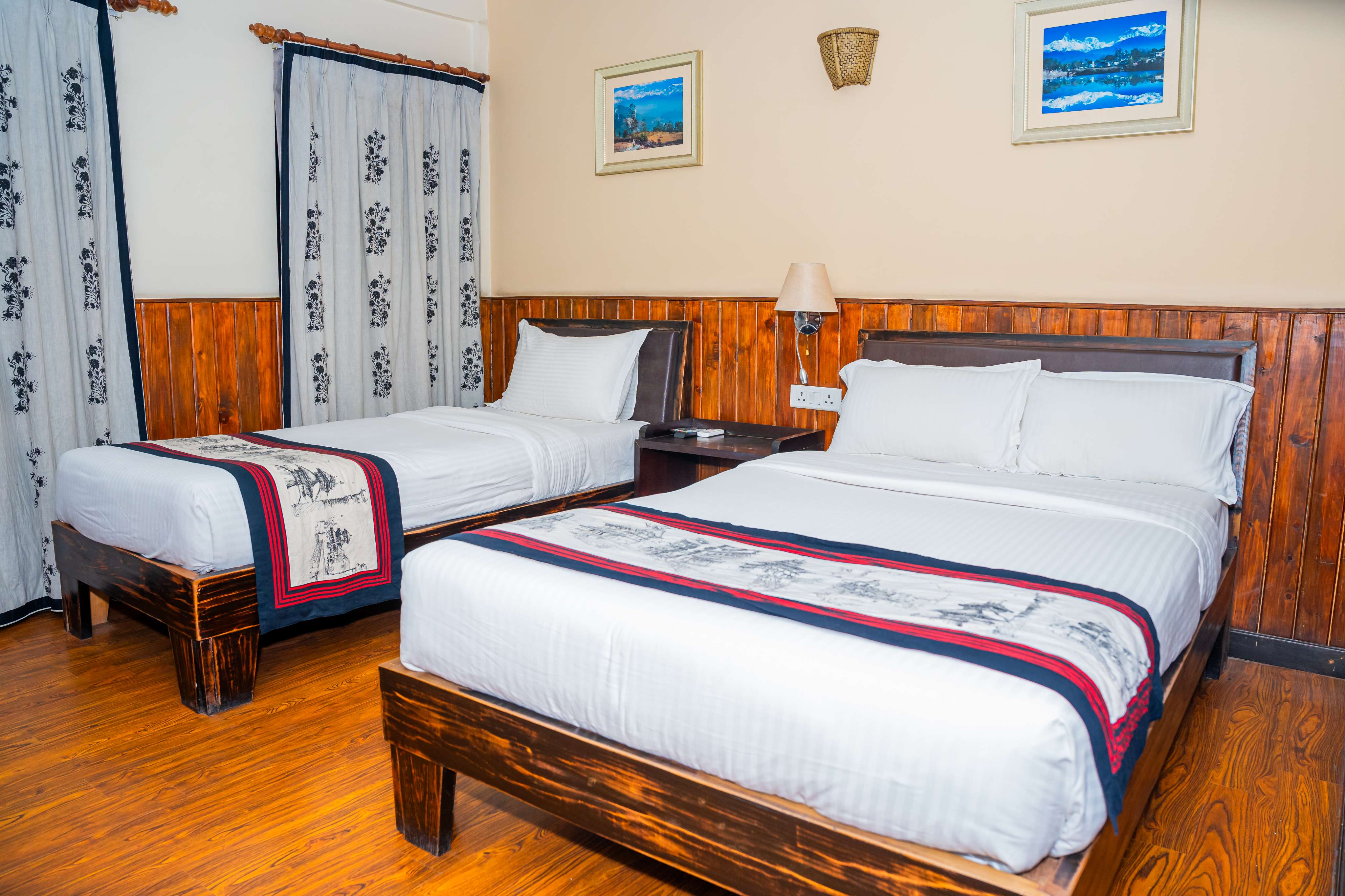
Rooms at Hotel Yechu are designed to feel grounded.
Instead of generic layouts, the spaces emphasize proportion and calm, natural light and material honesty, and subtle heritage details that feel lived-in rather than staged. The atmosphere encourages rest—not stimulation. This matters in a city where the days are rich with sensory input.
Travelers seeking a quieter, more grounded stay can explore the room categories at Hotel Yechu, each designed to reflect calm proportion rather than standardized hotel layouts.
True boutique hotels understand that shared spaces set the emotional tone of a stay.
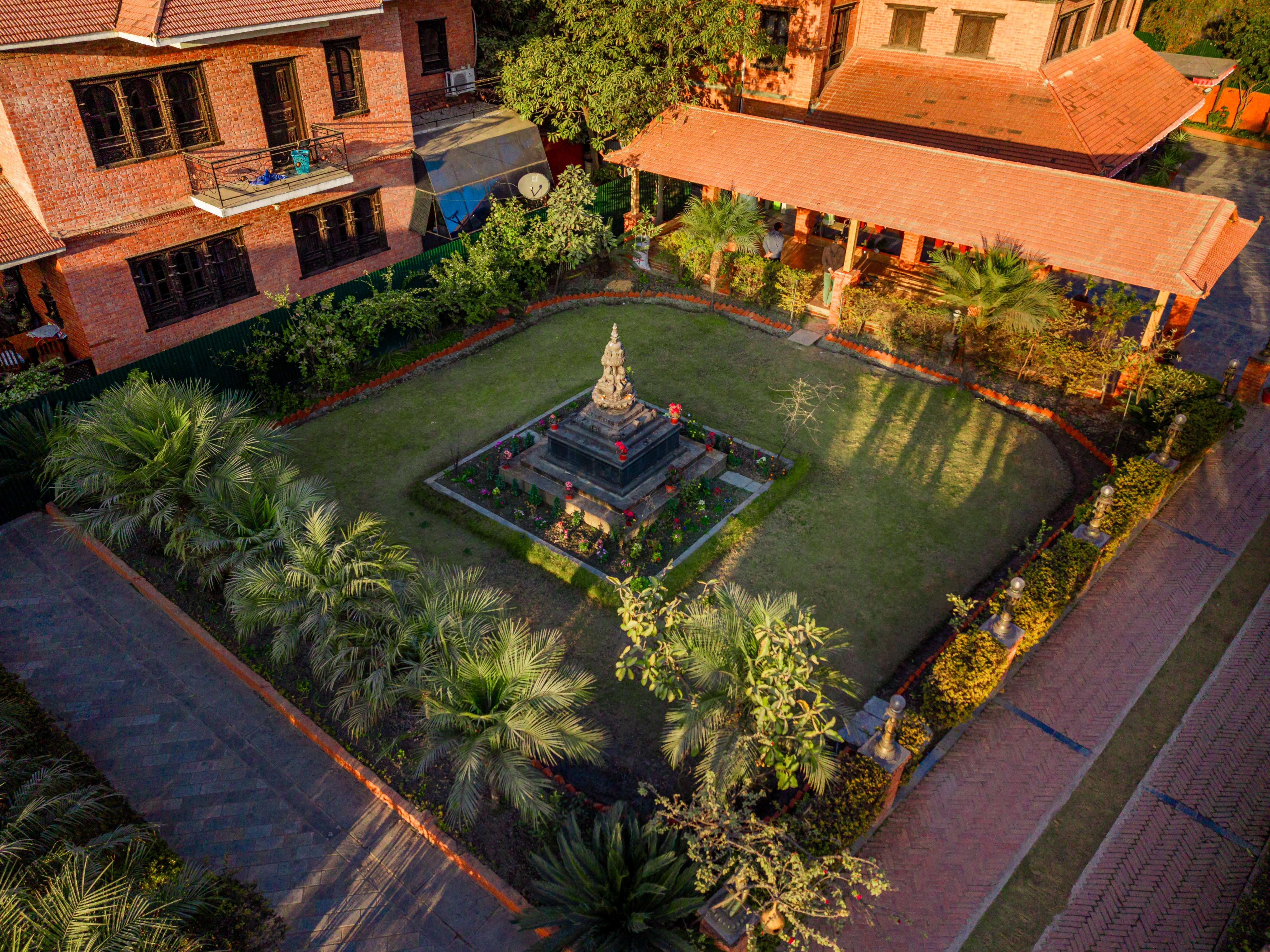
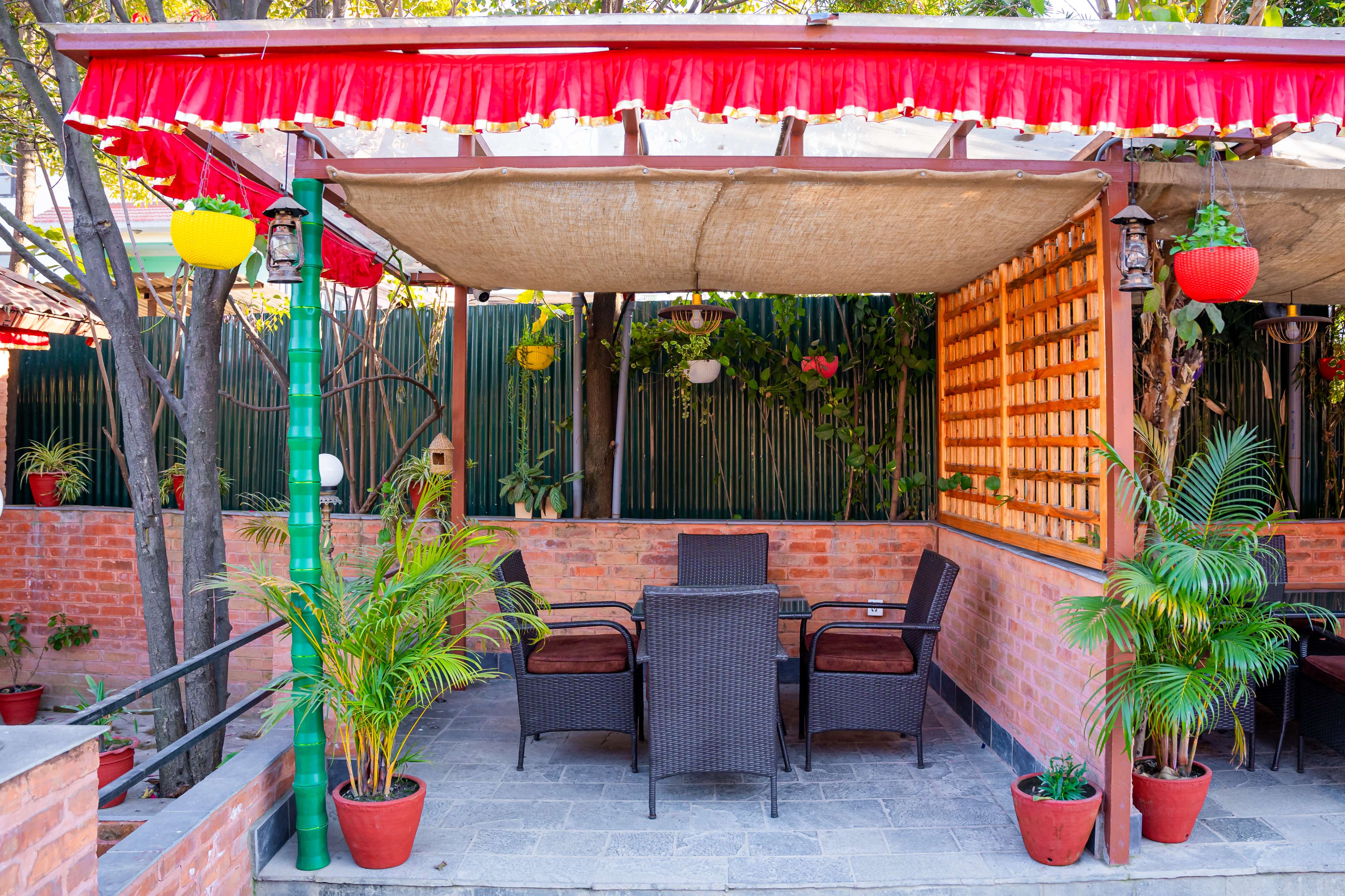
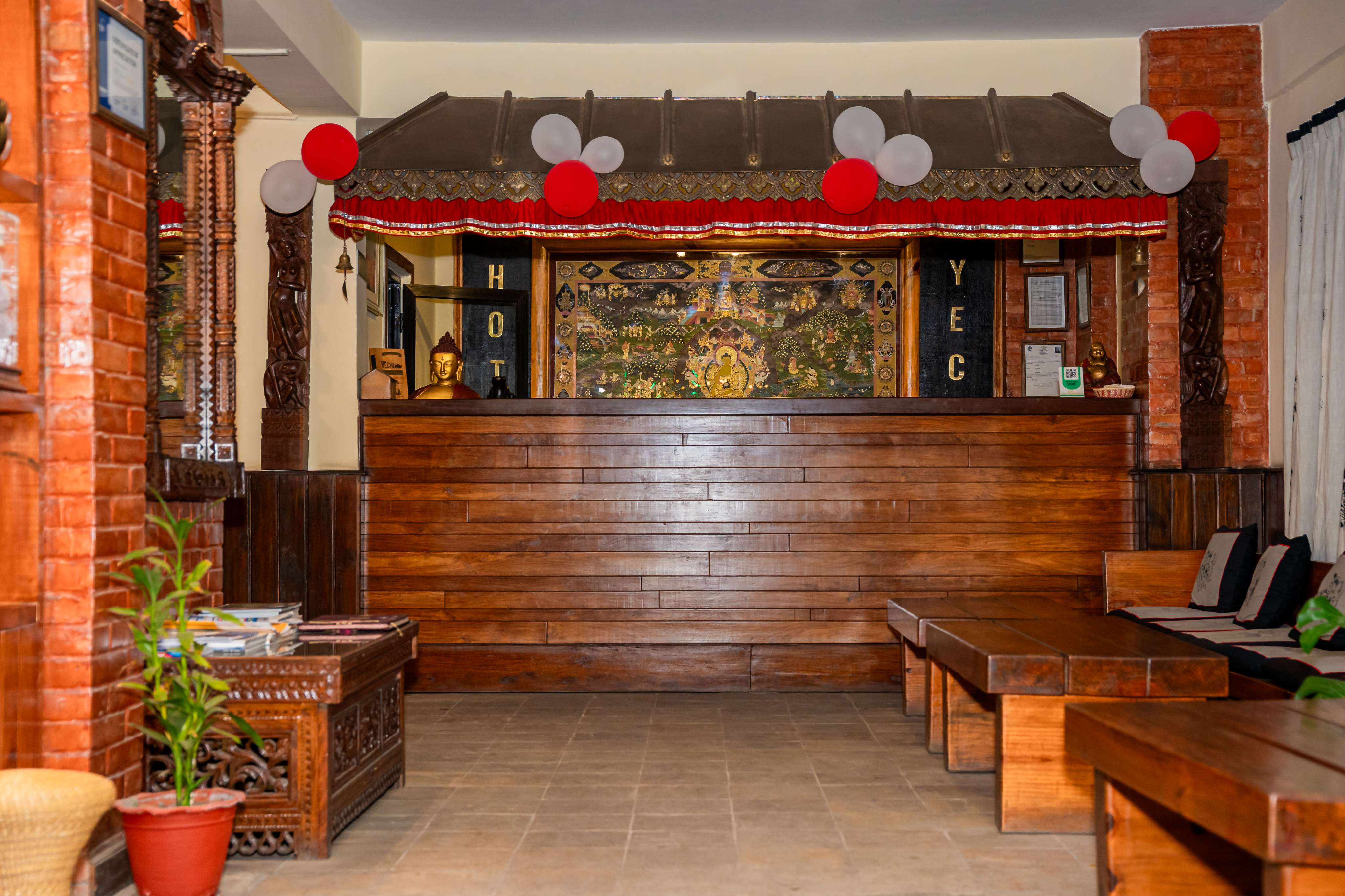
Hotel Yechu’s common areas are intentionally unhurried—designed for quiet reflection, comfortable without feeling commercial, and suitable for reading, conversation, or simply observing Bhaktapur’s rhythm.
These are not lobby spaces. They are transitional sanctuaries.
These shared areas are part of a wider set of amenities at Hotel Yechu that prioritize atmosphere, simplicity, and comfort over excess.
True boutique hospitality also considers how people gather.
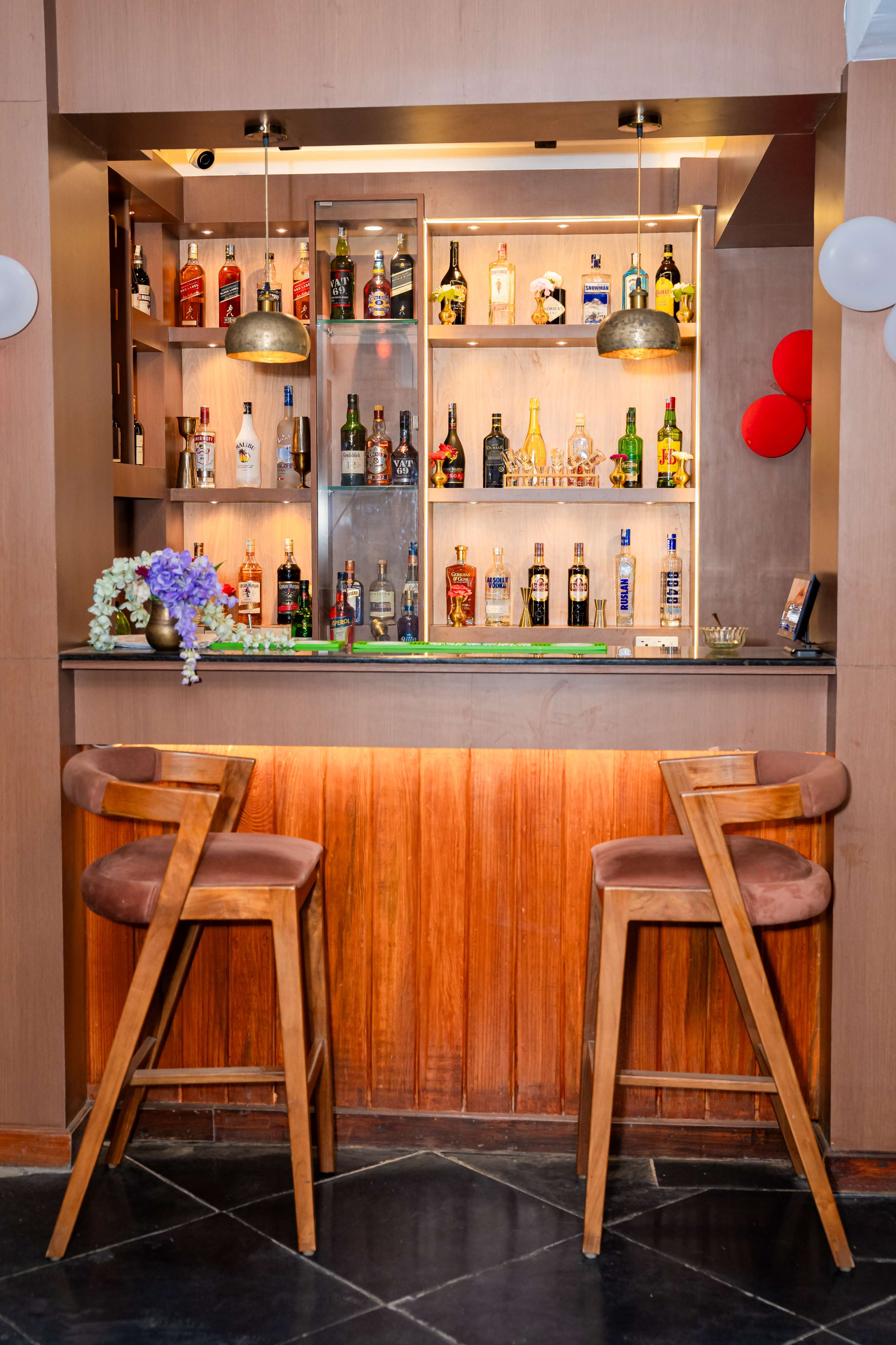
At Hotel Yechu, two halls extend the same cultural sensitivity and restraint seen throughout the property—offering space for thoughtful gatherings without disrupting the heritage atmosphere.
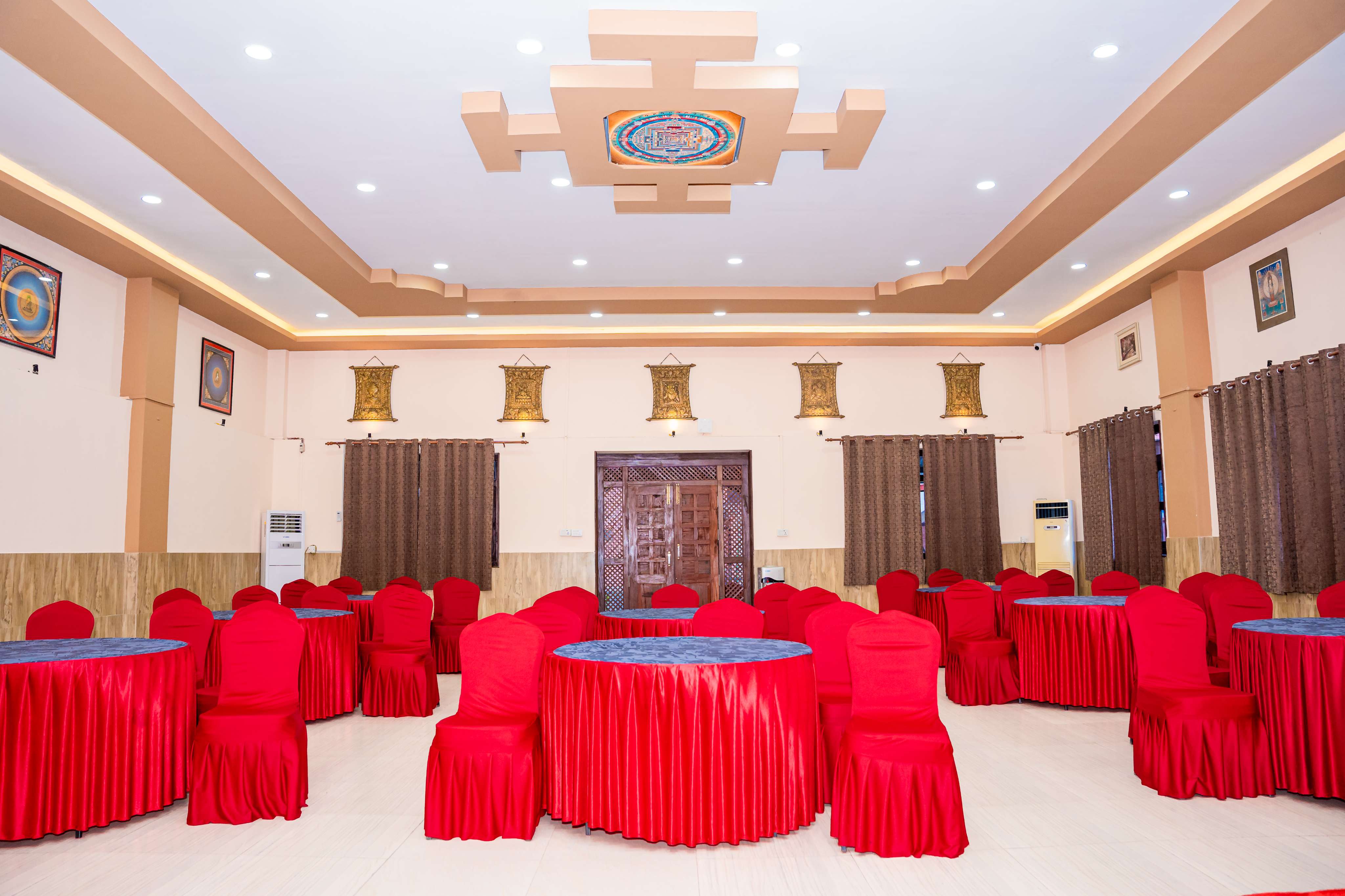 | 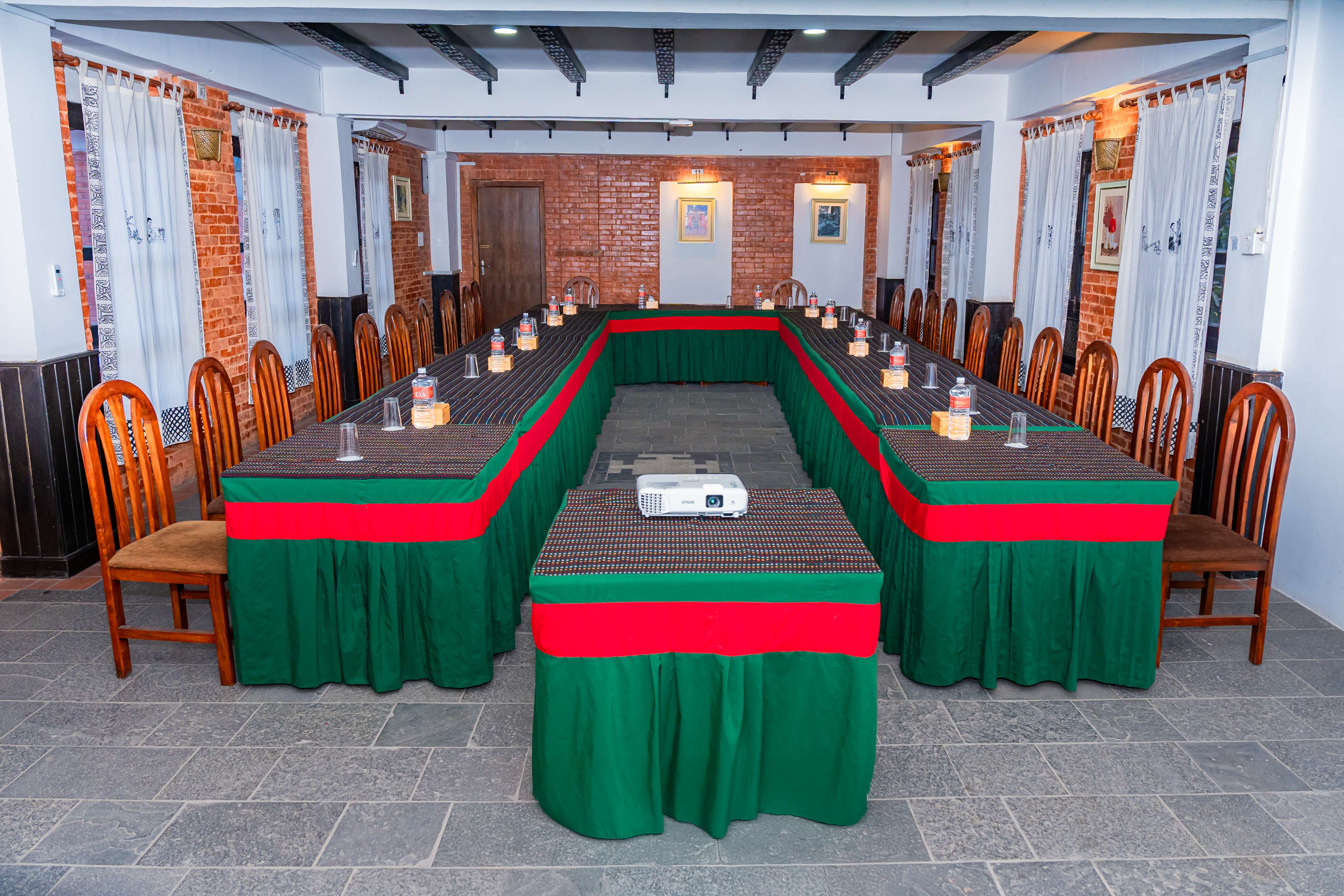 |
Rather than functioning as commercial event spaces, both halls feel like natural extensions of the hotel’s heritage philosophy—purposeful, composed, and respectful of place.
Dining at Hotel Yechu aligns with pace and place rather than spectacle.
The emphasis is on thoughtful preparation, cultural respect, and a calm dining experience that complements the city rather than competing with it.
For many guests, meals become part of understanding Bhaktapur—not just routine moments.
Choosing a boutique hotel in Bhaktapur is not about amenities or star ratings. It is about alignment—with the city’s history, rhythm, and dignity.
While many hotels adopt the boutique label, only a few embody its principles fully. Hotel Yechu distinguishes itself not through loud claims, but through consistency, restraint, and respect for place.
For travelers who value calm authenticity, cultural depth, and a respectful relationship with place, Hotel Yechu offers a stay that feels naturally at home in Bhaktapur’s living heritage.
What makes a hotel truly boutique in Bhaktapur?
A true boutique hotel in Bhaktapur is defined by intention rather than size or decoration. It prioritizes calm, cultural integration, thoughtful design, and personalized service. Instead of generic rooms and surface-level heritage décor, it offers an experience that feels naturally connected to the city’s history, rhythm, and daily life.
Are boutique hotels in Bhaktapur suitable for international travelers?
Yes. Boutique hotels are especially well-suited for international travelers who value authenticity, comfort, and cultural understanding. Thoughtful service, quiet environments, and local knowledge help guests navigate Bhaktapur respectfully while feeling supported and at ease.
Is Hotel Yechu suitable for culture lovers and heritage travelers?
Yes. Hotel Yechu is particularly well suited for guests who want to experience Bhaktapur beyond sightseeing. The hotel’s atmosphere, service approach, and spatial design support slow exploration, reflection, and meaningful connection with local culture.
How does Hotel Yechu differ from other boutique hotels in Bhaktapur?
Rather than relying on decorative heritage elements or marketing language, Hotel Yechu emphasizes consistency and restraint. From rooms and common spaces to service style and gathering areas, the experience is designed to feel composed, honest, and aligned with Bhaktapur’s rhythm.
Is Hotel Yechu a good choice for couples?
Yes. Couples often appreciate Hotel Yechu’s quiet environment, personal service approach, and sense of retreat. The hotel’s calm common areas and thoughtfully designed rooms support privacy and shared experiences.